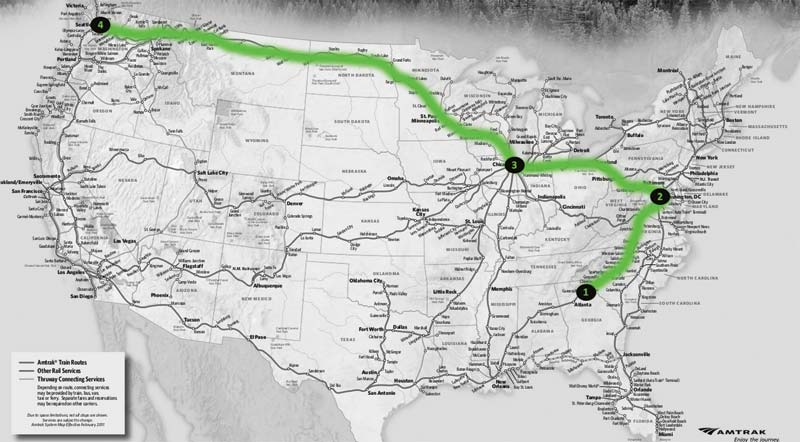
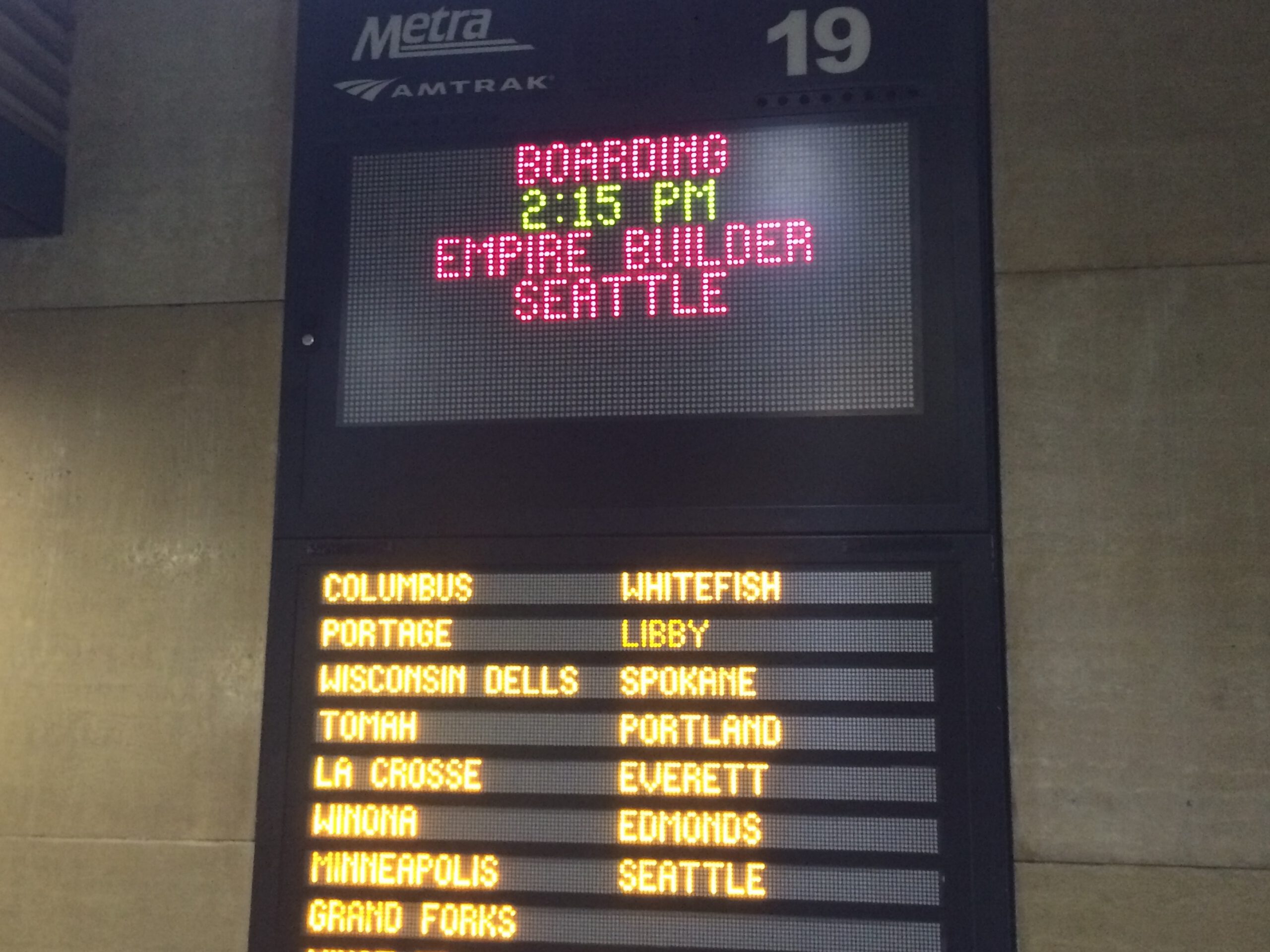
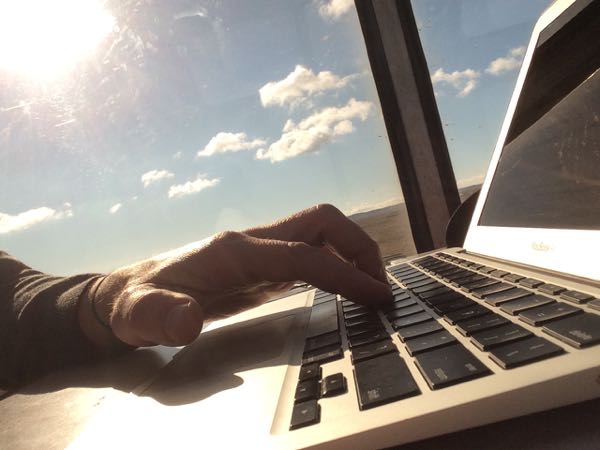
Last month I took a long train ride from Atlanta to Seattle over six days for my Amtrak Writer’s Residency. Each of the 24 writers chosen in 2014 from nearly 16,000 applicants, took solo trips of their choosing across the USA. We were granted a private sleeper car and free room and board. I was one of the last to take their trip and it was an honor and a great experience in every way. I wasn’t required to write anything, but based on your votes I chose to work mostly on documenting the trip itself and I hope to publish a short book or long essay about it next year.
Here are some highlights from the experience.
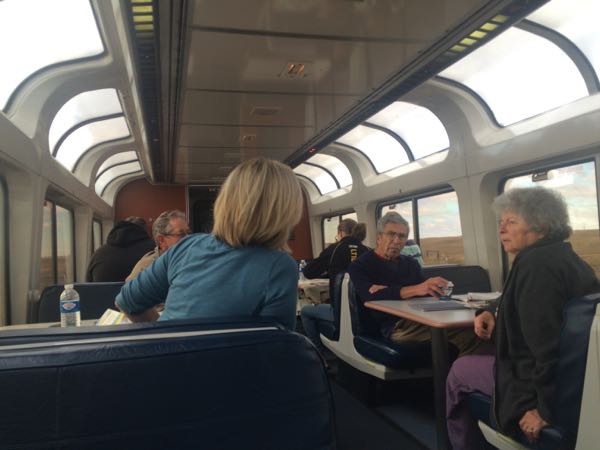
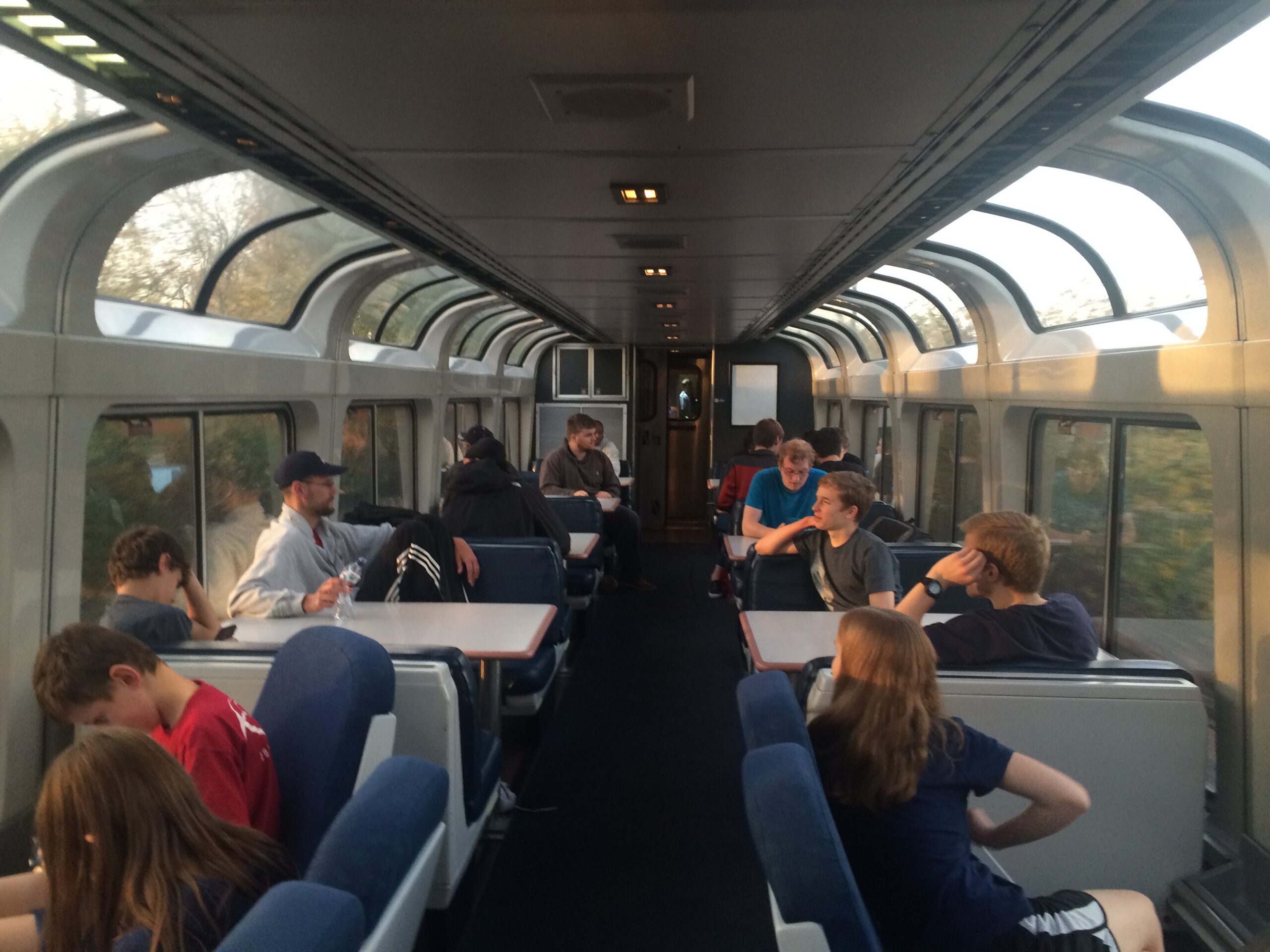
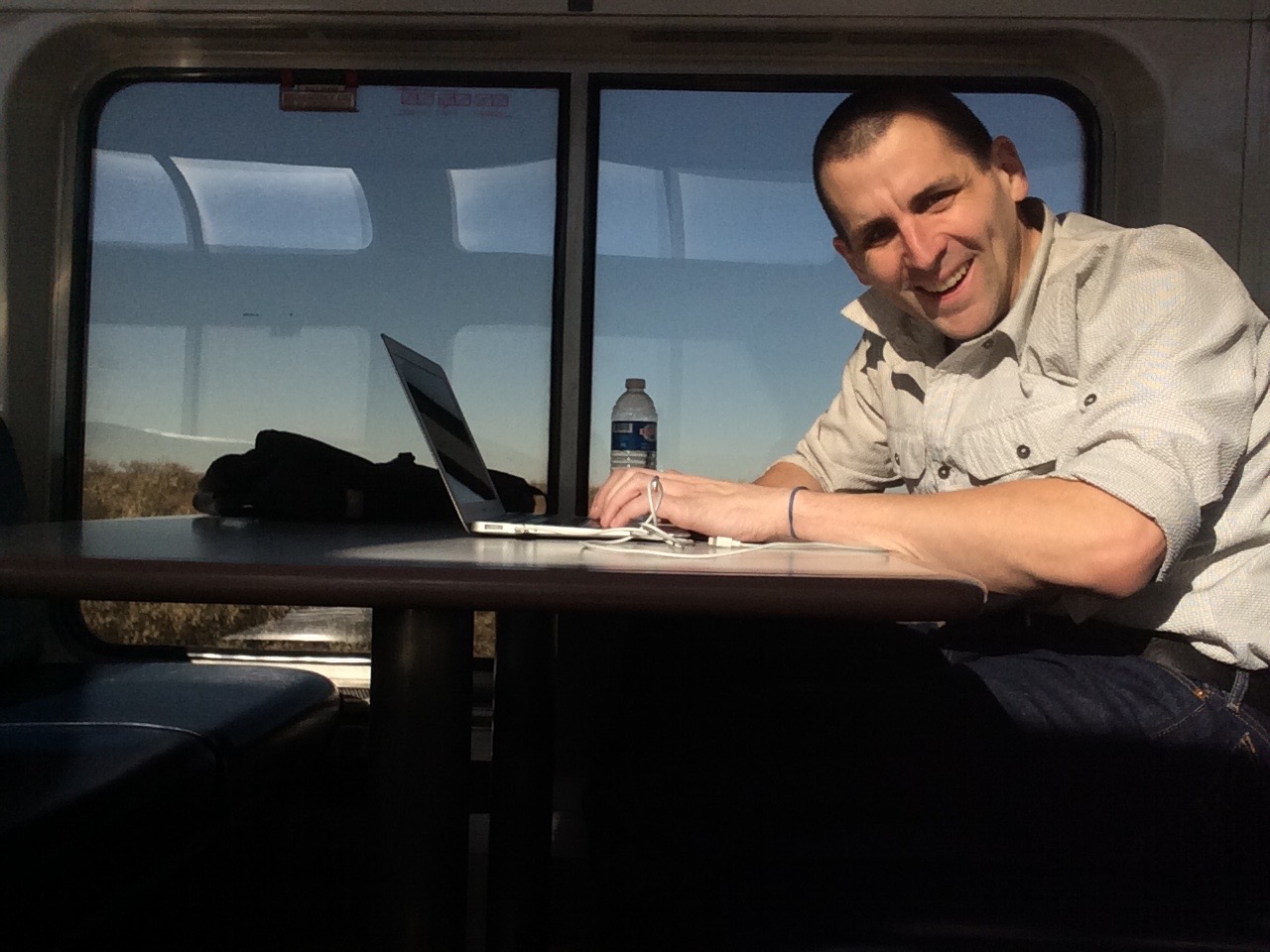
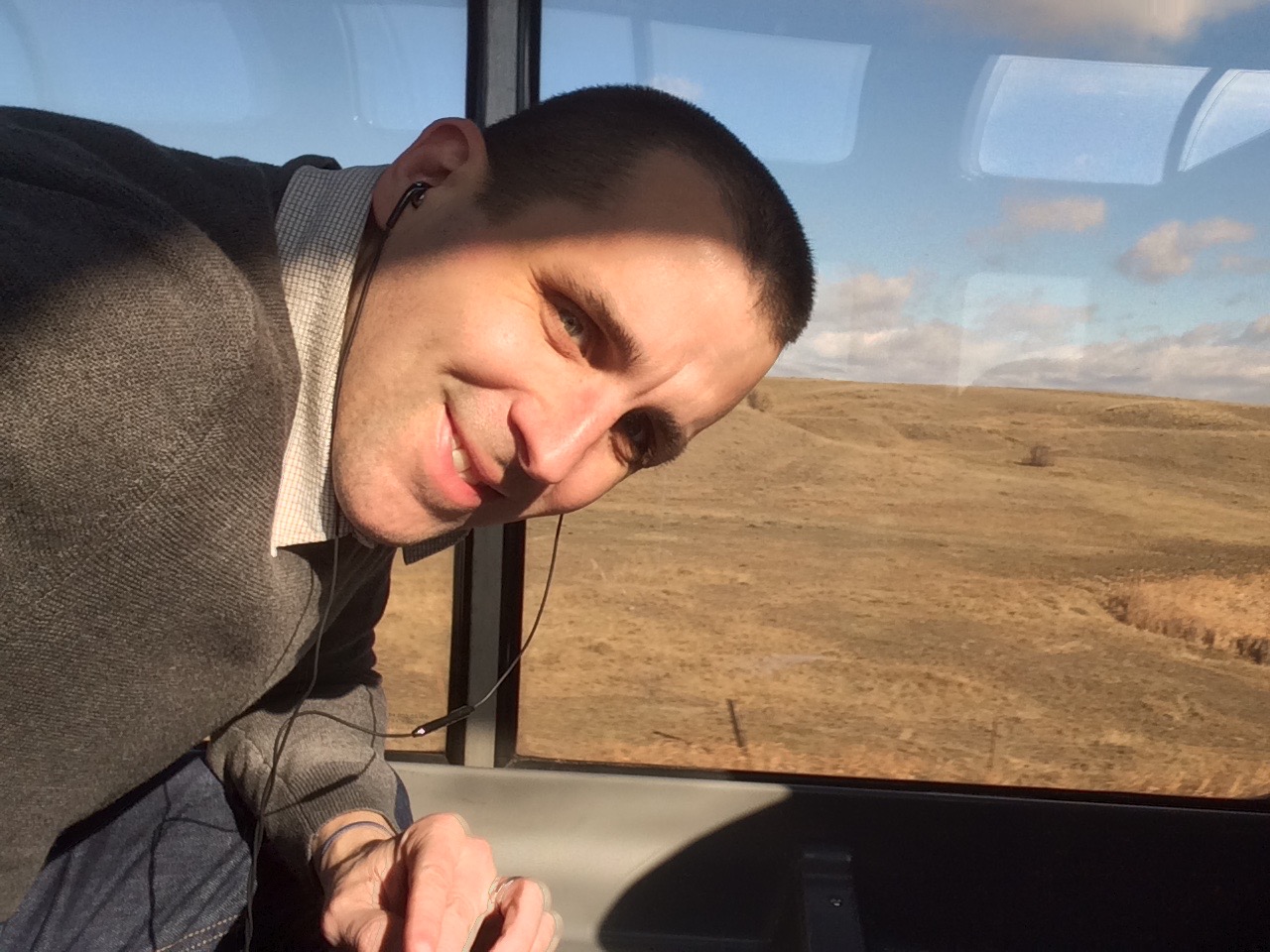
Slow is good for the mind. Traveling by train is surprisingly more civilized than traveling by car or airplane. There’s more room, there’s less security theater and the pace on the rails is more human (I didn’t see anyone suffering from the Cult of Busy). The landscape goes by at a pace that makes sense, not too fast but not too slow. You can bring your own food and alcohol (and people often share in the observation car). And the folks who choose long train rides aren’t in a rush in the way other travelers are, they’re friendlier and more relaxed. I found it easy to get comfortable no matter where I was on the train, and I spent most waking hours in the observation car, watching, thinking, talking and writing. It felt almost like being at a nice public lounge, on wheels, floating through one beautiful landscape after another.
Progress often comes with regress. We believe every new technology improves on the old in every way, but that’s not true. There are often good things we leave behind when we upgrade (e.g. you can’t slam a cell phone to hang it up). My long train ride was a reminder of what we’ve lost as travelers. The existence of a dining car and observation car, where I as a passenger could look out of floor to ceiling windows and enjoy an actual cooked to order meal was a pleasure – one that’s impossible to experience when in cars or airplanes. Trains have a charm few American’s experience unless they travel abroad to places where in the 1950s complete faith wasn’t placed in the belief that gasoline powered cars for every single person was the answer for everything.
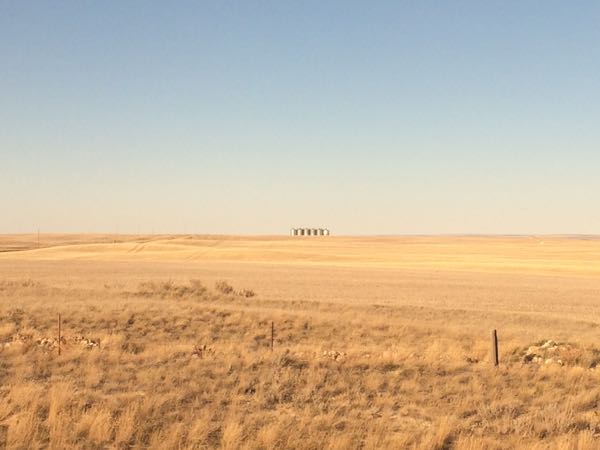
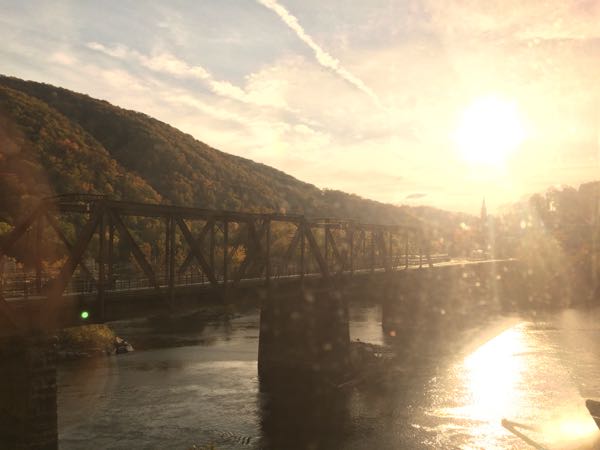
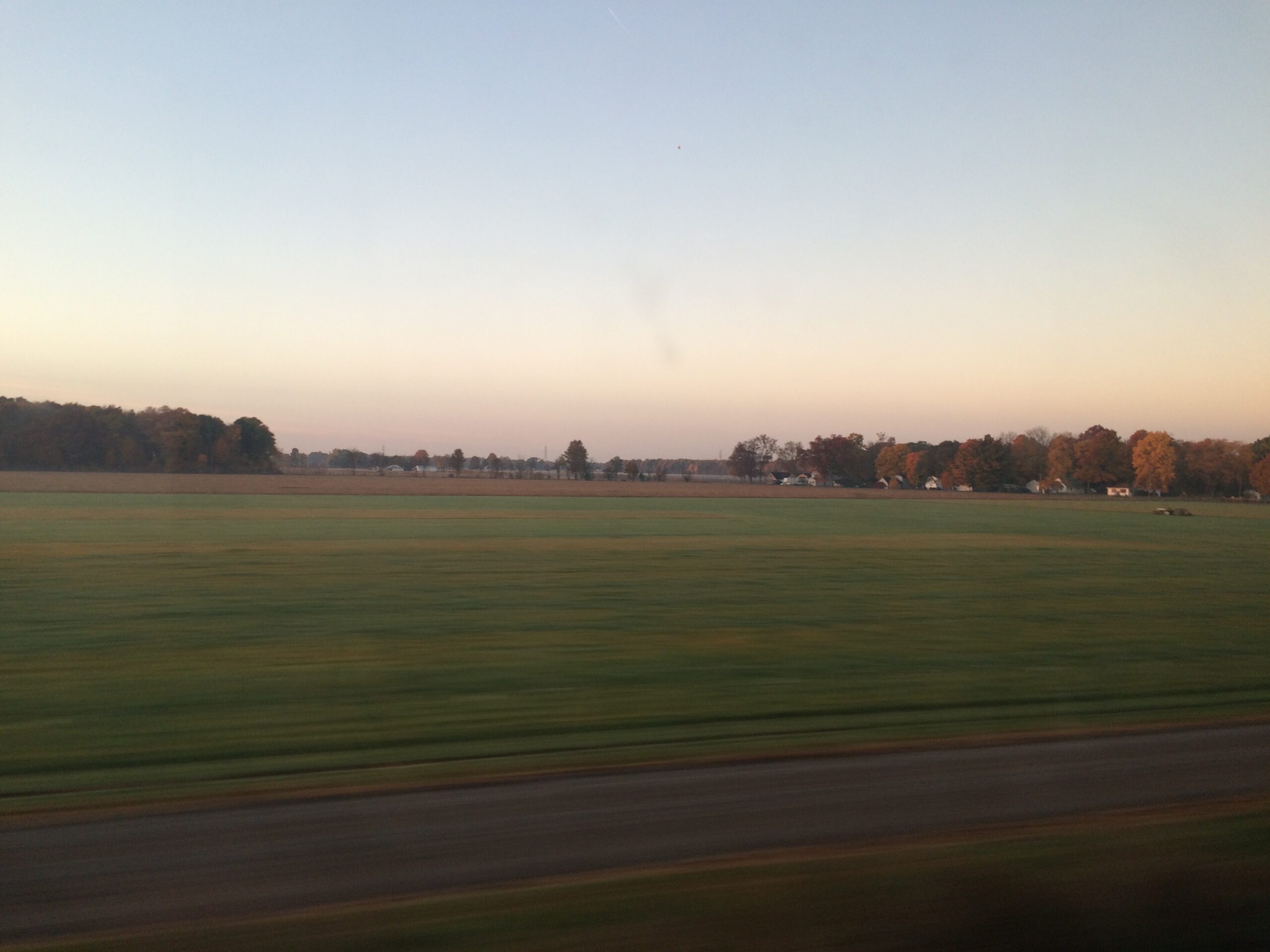
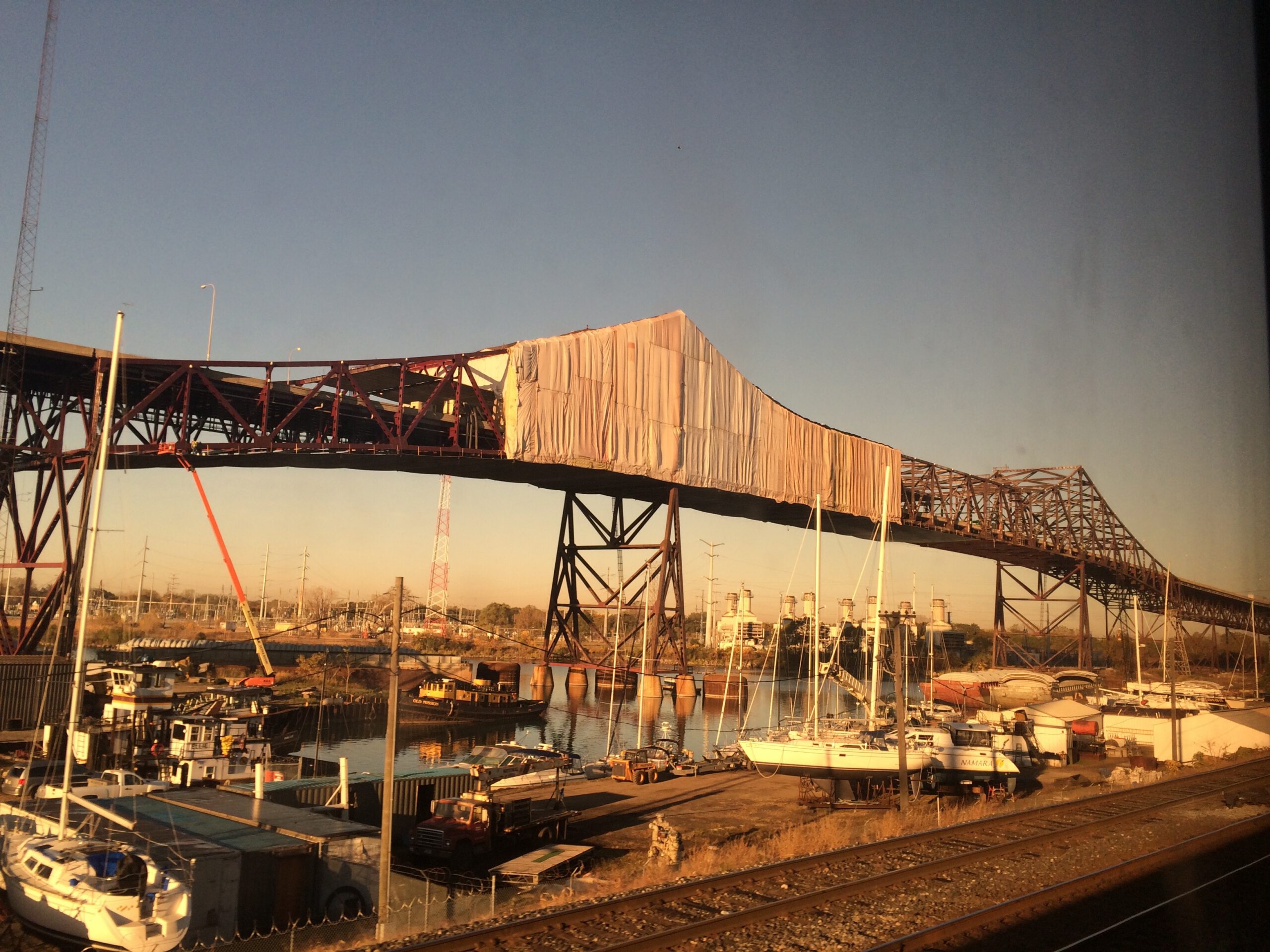
America is beautiful to see. With huge windows in every car, I felt drawn in (or more precisely, drawn out) to the landscape. The train routes follow the hills and waterways, curving in and out as the landscape demands. I had countless moments where I lost myself in thought as my eyes took in the beautiful countryside. I saw long rolling hills, high mountains, endless forests and powerful rivers. At times I forgot where I was and when I came back to my senses I’d wonder what (physical) state I was in, and what town I was passing by. Children in small towns often come to the station just to wave as the train comes in and heads out. Even in cities where train lines run through the rough backside of graffiti laden urban infrastructure, it gave me a better sense of how cities actually work. The USA is a wonderfully diverse and beautiful landscape, perhaps best seen as far away from our highways as possible.
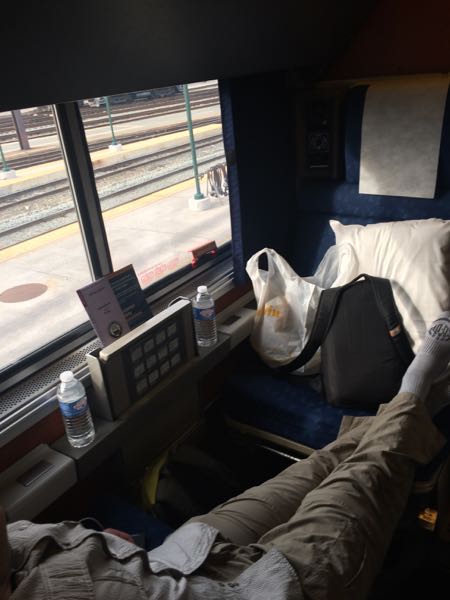
Constraints drive creativity. The small sleeper room I had contained many clever design choices to make good use of such a small space. It felt like being in a space ship or on a small boat, with little compartments and clever thinking at every turn. On one train my little sleeper had its own sink and bathroom (which stunned me as I only discovered this when asking the porter where the bathroom was on the train, and he pointed just to the right of where I was sitting in my sleeper room). The bunkbed where I slept from Atlanta to D.C. even had it’s own full width window, allowing me to watch my country speed past as the train gently rocked me to sleep.
Art is Magical. Even when I’m not writing for anyone else there’s something pleasing to my own mind to see thoughts that were once just in my head transformed into the permanence of written language. I haven’t published much this year, but the residency was a chance to work at my own pace, or not work at all, and I found it pleasurable in every way. If there’s hope for a better future for all of us it will come from the arts at least as much as it comes from our sciences. It’s our emotions that drive much of our best and worst qualities and only art gives us new ways to discover who we really are and who we most want to become.
I’m proud that Amtrak has invested in supporting writers and creators and I’m grateful to have been a part of it – I hope they do it again next year (which has already been announced and you can apply here).
Thanks to Julia Quinn at Amtrak for making my trip possible, all of you fans for cheering me on, and the generous folks in the Amtrak Facebook group who gave me countless tips for long haul train travel. You can read more about other residents experiences on twitter or at the Amtrak Blog (many bios have links).
I’m honored to be one of the winners of the Amtrak Writer’s Residency. All 24 winners were announced last year, but I finally managed to work it into my schedule this fall. Here’s the route I’ll be taking over 6 days, later this month:
Day 0: Flight to Atlanta (not on a train, but I’m counting this as the start of my residency)
Day 1: Atlanta to Washington DC
Day 2: DC to Chicago
Day 3-5: Chicago to Seattle
Decisions I have to make (input welcome – leave a comment):
What do I work on (vote below)? I can work on anything I like, and if you’re been following me for years you may know I have three unfinished book projects: A) Finish the philosophical techno thriller novel I’ve worked on (and off) for 20 years B) the book about the London Underground (untouched in years) C) Return to my book about religion (stalled in April 2015 due to burnout) D) Start something new E) Write about the residency trip itself.
What should I pack? I’ve never been in a sleeper car on a train before, or done a long haul train trip. I’m excellent at traveling light, but wonder if there’s anything special I should bring.
How do I get exercise? I’m a fitness junkie and I’m worried I’ll go insane stuck in a box for so many hours in a row (I imagine myself driving passengers crazy by running up and down the aisles all day). I’m even thinking of using the two layovers I have in DC (4 hours) and Chicago (5 hours) to taxi to a gym, get a workout in, and then get back on the train.
Should I tweet and blog, or go dark? It can be annoying to follow someone on a trip like this as many people don’t want to hear micro updates. But the journey itself will be fun to document in real time and if I knew there was an audience for it I’d give it a try.
Dinner before I go? Anyone want to join me for a kickoff dinner in Atlanta on 10/23 or 10/24?
What is WDS? The event was founded and led by legendary man of the world Chris Guillebeau and in his opening comments he explained the goal of the entire enterprise (which is now four years old) is to find answers to this question: How do we live a remarkable life in a conventional world? The event tries to answer the questions in different ways and through different activities, but all have three values in play.
Community – connecting with interesting people
Adventure – taking risks and doing new things
Service – making the world a better place
Many of the 2500 attendees are solo entrepreneurs, small business owners, marketers and people with a passion for three goals above. Over 150 people work on putting the WDS event together. Most are volunteers including the core team. And it’s a non commercial gathering – there are no sponsors and nothing is sold other than ideas, and books from speakers.
1. Jon Acuff
He opened with a story about how children have a different perspective, one that can’t always been reconciled with ours. Children can’t understand what Blockbuster video even is. And children today can make mistakes without the world watching. He shaved lines in his eyebrow as a child to look like Vanilla Ice, but no one would remember that now unless he told them. But he remembers how in 3rd grade his teacher posted his poetry on the wall. and he realized for the first time he had a voice.
But he wondered if the the 3rd grade version of himself saw the 36th year old version, what would he ask: “did we become a poet?” And when the 36 year old version told him about what happened, the 3rd grade version would ask “Why did we trade our voice for money?” Which led him to a series of questions and observations:
Regret has a much longer shelf life than fear.
Will I face the fear of today or the regret of forever?
But actually being brave sucks. It feels like you’re going to throw up and you get no sleep.
Bravery is a choice, not a feeling. You’ll never feel brave enough to do the things you want to do.
“What’s your daydream?” “To be able to daydream again”
How do we misplace our voice? We’re too busy.
If you stay in motion you don’t have to face things that make you emotional.
Sometimes when you get enough money, you abandon your voice (e.g. bloggers chasing traffic)
“Can I pay you not to work on things you don’t care about” – yet many “successful” creators end up doing little of the work they set out to do when they started
Trying to make everyone like you is the quickest way to hate yourself
Often people fear not being liked and sacrifice their voice for popularity. Not being able to say no is often a sign you want to be liked too much. He said, “”If you tell someone no and they react in anger, they just confirmed you made the right decision”. We often surround ourselves with people who are good at saying no to us, or who poke at our ambitions, unintentionally, in negative ways. “Are you still trying to start a company / write a book / live your dream?” The word still has surprising judgmental power.
To help him and his fans get back on track and help focus his energy he created dosummer2015 and wrote the book Do Over. Projects he thinks will help you find and develop your voice.
(Important: This was a difficult talk to watch because of how much she didn’t say about her reputation. Various scientists and medical experts have criticized her not for her health evangelism, but for her specific claims and advice. She made no mention of these experts who have criticized her works on (perhaps) valid grounds, which seemed unfair given her talk portrayed only the most hateful and uninformed kinds of criticism).
4 years ago she had a miserable cubicle job, and was wishing away her time, hoping for the weekend to start. She had no twitter or Facebook account. She was scared to have them or get fired for something she might post. And now there are millions of people on the internet who follow her, and was named one of the most influential people online. She couldn’t imagine then how much would change in just 4 years.
She took on a role as a food activist, having been raised on processed food but wanting to help people to find better ways to be healthy. The surprising popularity of her work surprised her as well as the negative attention she received. She showed a series of slides of hateful Facebook posts, twitter and other social media posts about her, much of it sexist in nature and doxxing. Which is horrible and unjustified for any reason.
The first name for her blog was Eat Healthy and Live Longer blog, which her husband rejected. He came up with foodbabe.com, which she thought was a good name but didn’t match how she felt about herself. She was scared to put her photo on the blog. But slowly she gained an audience. And had success influencing many companies, including Kraft and Subway, to change the ingredients in their products.
On 12/21/2012 at Machu Picchu, far away from her job and world, she got a phone call (or email) that her consulting contract had ended. And instead of being upset she decided to make foodbabe her full time career. Her husband told her “what have you been waiting for?” And that set her on the path to writing a popular book and a successful blog.
She believes that:
History will resolve itself (meaning, to me, worry about how future generations will judge you)
“If you don’t like me and still watch everything I do, bitch you are a fan” – Madonna
She spoke at the first WDS and is the author of Escape From Cubicle Nation. She observed that it’s easy as an audience to be inspired, but also to feel jealous of all the success stories they hear. What she wanted to do was to provide tools to take action because “she loves us”. One idea she recommends is a native American tradition called the seven births (or breaths? I couldn’t find a reference to this online):
The top of your head. The essence of your soul.
Your breath. Your awareness in every moment of gratitude for life.
Your language. What you speak and your unique voice.
Your heart. The center of emotion and what pumps energy through your body.
Your home. Your physical home and your creative home (or place).
Your tail. When you sit down on the earth and plug in your tail, you can hear all the prayers of all the animals of the earth. (An idea that appears in the film Avatar).
Your walk. Daily steps that allow you to leave a garden of flowers behind you.
For any idea, think about it the context of each birth. When you ask someone what they’re working or trying to do, touch on each of the seven from the list and how they relate to each other.
4. Kid President
Robby Novak and Brad Montague are the child / adult team that makes Kid President, a popular YouTube channel. Brad wanted to shape the way kids see the world, and the world sees kids. Brad and his wife started a camp for kids and a non-profit, and the videos they made as a family connected with people who were not in their family. Brad explained “We make videos about things we think kids need to know and we have fun doing it.”
They offered many aphorisms based on their show:
It’s everybody’s duty to give everyone a reason to dance. (and they had the audience stand up and do “the whip”).
If you want to be awesome, the secret is to treat people awesome.
Be cute, be funny, be good. (Robby’s advice to Brad before he walked off stage)
Treat everybody like it’s their birthday.
There are many reasons to complain and many reasons to dance. Choose to dance.
Things we learned as kids that could help us be better grown ups:
Be Nice
Treat everybody like it’s their birthday
This is a joyful rebellion. Most rebellions are angry, but not ours. We’re filled with a joyfull vision of how things could be.
Haters gonna hate, huggers gonna hug.
Nearly 3 billion people are under 30 today (we have a world of kids)
You matter
“You are being uniquely prepared for something magical”
Sharing is good – not just content, but opportunities.
They’ve invited fans of their show to send in videos of them dancing, laughing and surprising friends with corn dogs (“Here! I am surprising you with a corn dog because you are my friend.”)
They made a video of Kid pretending to talk to Beyonce with chicken nuggets. They sent it to her through her website, asking to interview her. She said Yes. The United Nations asked them how they managed to get in touch with her, surprised that Robby and Brad didn’t use an inside connection,
Ordinary things can become extraordinary when they’re used with love.
When asked by the audience what he wanted to do when he was an adult, Robby answered “When I’m an adult, I want to be a kid. like Brad”.
Lewis Howes hosts the School of Greatness podcast and is a former pro athlete. He grew up into a man thinking of himself as Captain America, a superhero. But years ago he got into a fight, and was surprised by a headbutt from his opponent. It stunned him, and in the emotional state he was in, something unexpected came out. He didn’t know how to take it in his heart, so he responded with strength, and something deep in him came out and beat the other man close to death. After the fight, he stared at himself in the mirror and asked the question: Who Are You? He was ashamed of himself for what he had done.
Universal Myths Men (and perhaps all people) learn:
You don’t get rewarded for being compassionated
You get rewarded for breaking your arm and playing anyway
You don’t get rewarded for saying nice things
Taking control, winning the game and doing whatever it takes
This is what most men (and sometimes women) where taught
When he was 8 years old his older brother, his hero, was sent to prison for selling drugs when he was 19. Growing up in middle class Ohio Lewis had never known anyone who went to jail. It was a challenge for him in many ways. He remembers visiting his brother in prison, someone who he had looked up to: it was hard for both of them. And he remembers the day when his brother was released and how the family celebrated. But in the photo of that day, he doesn’t look happy. There was a self image of portraying masculinity he felt he needed to project (Universal Myths).
That night he heard his brother crying. Like a wolf who had lost his pack. But it was really a cry of freedom, and he cried with his family too, sharing relief from the burden of him being away. But Lewis didn’t cry, feeling he had to be the man of the house. (They had an exchange student from Japan who, had only been with them for two weeks, who was baffled by what she observed).
Lewis wanted to go away to school, as his parents often fought. They sent him to boarding school, and soon after they got divorced. But their inability to be emotionally stable affected him.
Months after the fight he still wasn’t himself, and he took a workshop on expressing emotions. And there was an exercise when anyone could share something they’d never shared before. And to his own surprise he felt his heart racing. And he stood up and told a story of being raped by a male babysitter when he was 5. He’d never told anyone before and 25 years of emotion came out of him. But he was terrified of his image and how they would judge him. He remembers crying uncontrollably, feeling he’d ruined his life and would never be loved again. And to his surprise he was embraced by many friends who told him they loved him, and thanking him for sharing and for leading the way (1 in 6 men have been sexually abused, but few ever speak of it).
He asked his brother “Is there anything I could ever do that would make you not love me? “And he said “there’s nothing”. And he told him his story of being abused and his brother was incredibly supportive. And he went to each of his family members and had similar experiences. By not guarding himself, but opening up he created, to his surprise, more connection with people that he thought was possible. He kept sharing it to friends, aware that it was controlling him and owning him, rather than the other way around.
A year ago, after great fear about how it would damage his reputation, he told the story on his podcast. That night, after he hit publish, he went out his window and saw the supermoon, a memory he’ll never forget.
He asked the audience to think about what secret they’re afraid to tell others. What is holding you back? In your family? Your relationship? Yourself? We strive to be the King of Diamonds, but the most successful people become the King of Hearts.
[This talk was done so well, so gently and yet so powerfully, it was easily my favorite, and hardest, talk of the day. And to anyone who came to my session on platitudes, I don’t think she used a single one]
Bazu is a child who was 5 years old, and had cancer for 3. The photo Megan showed of him was taken on a rare day when he was allowed outside (rare because his immune system was so weak). She’d known her mother Ellie, seen in the photo, but only online, and Megan had social anxiety about meeting her in person for the first time. She thought at first to just look for Bazu, but then she remembered that Bazu is dead. And had died 6 years ago. Many of the people she knows she only knows because someone has died.
Megan’s partner died a few years ago. She tells a story of her husband, Matt, stopping on a walk by the side of a river to notice whirlpools. They sat down to take a swim and threw the ball for the dog, who ran off, distracting Megan. And from behind her she heard Matt cough, but didn’t turn around. She didn’t turn until he called out her name, and then called out for help. The strong current had carried him out into the water. And he was taken away. She ran in after him, and the dog followed, thinking it was a game. Megan and her dog were carried two miles down the river before being put back to shore. It was 3 hours of rescue divers and search teams until they found Matt’s body a few feet away from where he’d disappeared.
What do you do with someone like me? She asked. Someone like Ellie? We’re all trained to look for happy endings. Our cultural stories are of redemotion and transformation. Things always work out. There is always a happy ending. So what do you do when the possibility for a happy ending explodes into a thousand bits? And pain that never goes away? She didn’t know how to do this. She went looking for stories of people living lost.
She explained that even medically, among doctors, we call grief a disorder. It wasn’t just books and experts that shared this view, but the wider community, and even the therapists. They needed her to be ok because pain like hers is hard to witness. We don’t have stories for how to bear witness. We’re overwhelmed by things that have no easy solution, or no solution at all.
We need new stories. To weave a culture strong enough to not fix was isn’t broken. When you hear the pain in the world it’s not a call to make it go away. It’s a call to love. A call to courage. Pain deserves acknowledgement not repair. The path of bearing witness is the true path of love.
There are things that can’t be fixed and that’s ok. We can love each other in the middle of deep adversity. It’s at the moment when you flinch that’s when you are most called to love. Witnessing is an act of bravery. It’s an act of risk. Hearing someone’s pain and letting them have it is an amazing gift.
Things you can do:
Notice the impulse to help.
Pause: what response is called for?
Don’t fix: Don’t fix anything. Not fixing pain is a radical act.
Bear witness. Stay present and make space for things to be as bad as they need to be.
It’s been 6 years since her husband died. She explained that we can’t fix her. And no message she can give us exists that would be fair trade for the loss of his life. The redemptive storyline does not apply to her. She offered that WDS asks how to live a remarkable life in a conventional world, and one way to do that is to practice love in a world where terrible things can happen, to love fiercely and intelligently in a world where children die and loved ones can be swept away. She believes we can.
[I couldn’t stay for Day 2, so the above notes are from Day 1 only]
I just returned from two weeks vacation in Japan. It was the first true vacation (no email, no lectures, no working) I’ve had in a long time. One highlight was the day trip we took from Kyoto to Hiroshima. We hadn’t originally planned to go to Hiroshima, or to be in Kyoto either actually, but when the opportunity arose I jumped at it. I love going to places that are well known in history, but that few people I know have ever been to (e.g. Little Big Horn).
The first surprise is Hiroshima is a large, pretty and healthy city. I didn’t have specific preconceptions, but I was somehow surprised to find a vibrant urban area of over 2 million people. The Peace Park is the historic area where many memorials and the Peace Memorial Museum, the name for the museum about the city’s WWII legacy, reside. It was easy to find the park as the Peace Boulevard leads from the train station straight to it.
As the history goes, on Monday, August 6, 1945, at 8:15 a.m The U.S. dropped the first atomic bomb used during wartime, and it exploded, by design, 600 meters above the ground at Hiroshima. 80,000 people were killed instantly. Another 100,000 or more died within a year. The reason the bomb was detonated above the ground was to maximize the impact of the explosion. It was aimed at a T-shaped bridge, a bridge that still exists and is part of the park (I crossed it to get there).
The location where the bomb exploded is called the hyper-center and you can find it a few blocks away from the Peace Park. On an otherwise ordinary side street of parking lots and office buildings, there’s a small monument describing the significance of where you’re standing.
One reason I wanted to go to Hiroshima was to stand in this spot. A thousand questions were on my mind as I stood there. It seemed so ordinary a place in the moment, but looking up and imagining that bomb falling and what it would do was inexpressibly complex. It was mostly horrible, but wonderful for intellectual curiosity reasons, to be able to stand there.
The first building hit by the bomb was this one, called the A-Bomb dome (formerly called the Hiroshima Commercial Exhibition Hall). They debated whether to restore it or not, but chose to leave it as a monument to what happened. It has been preserved to look like how it looked right after the bombing.
At the peace museum are detailed diagrams and models of the city, before and after. Here’s what it looked like before the bombing. Notice the t-shaped bridge at the top. To its right is the A-Bomb dome.
And here’s what it looked like after.
The biggest and most pleasant surprise from my visit was how the Japanese have converted a horrible episode from human history into something positive, without skipping past the difficult parts. The peace museum tells a balanced story of WWII and the bombing itself, leading visitors through rooms about the current nuclear weapons treaties and the effects of nuclear radiation on citizens.
But the park is called the Peace Park and Memorial for a clear reason: they want to use their example to prevent similar horrors from ever happening again and they did an excellent job of making that the clear theme in the experience of visiting the place. They did a far better job at this ambition than any other historic war site I’ve seen, and I’ve seen many.
It seems mandatory that young students visit the center, as they were there in busloads. The primary frustration I had with the Peace Memorial Museum was having to navigate around gangs of Japanese kids. Even outside the museum we met many groups of children in the park and they were curious about foreigners, which was great to see. I’d say hello as they passed by in groups, and they always laughed and waved back at me.
Many of the younger students had assignments to talk to foreigners and practice their English. They asked me where I was from, what my name was, and what thoughts I had about the museum and world peace. It was a highlight of the entire trip to meet these children and talk with them for awhile.
One section of the park is dedicated to the story of Sadako Sasaki, a young survivor of the blast who was hospitalized as a young girl with radiation related health issues. She believed in the legend of 1000 cranes, that if she folded 1000 paper cranes, she could have any wish granted. Her story became a legend after her death and thousands of children have made paper cranes to honor and remember her. There are display cases with some of them in the park near a statue dedicated to her and other children who were victims that day.
There’s an online petition, sponsored by the museum, that calls for the reduction of nuclear weapons in the world. You can sign it here.
Later this year I’ll be visiting Tokyo for the first time. I’ve always wanted to go to Japan and finally I’ve lined things up for it to happen. Yay.
In doing research and reading up on the city I find, for the first time, I’m overwhelmed. I’m very well traveled, love cities and public transportation, but I’m struggling to figure out what neighborhood to stay in, as well as what to expect in terms of getting around without speaking any Japanese. I’m considering hiring a guide for the first day to accelerate getting over the basics of getting around and how things work.
I don’t need to stay in the center of nightlife, but do love being able to walk to interesting neighborhoods, streets, and restaurants.
If you’re a local or you’ve been there recently, any advice welcome. Thanks.
Sometimes an article is poorly written in a way that makes it hard to tell if it’s satire or not. This recent NY Times article on How to Sleep on a Plane, fits the bill:
If you can sleep on a plane, after all, you must have a higher consciousness that doesn’t stew about cramped quarters or fellow passengers. But you also arrive well rested. You use your time wisely. You recognize that people have been sleeping as long as there have been people; you don’t get hung up on brief fads like pillows, sheets and brushed teeth. Is it too grandiose to say that the airplane sleeper is in touch with his humanity in a profound way?…Plane sleep is among the most rewarding and satisfying and even impressive skills a modern person can acquire.
Most of the article has this dreamy, navel gazing tone, which results in a writing sin – not offering any advice despite the word HOW being in the title of the article.
Here’s my advice on how to actually sleep on a plane:
Get exercise before you fly. On planes you sit and eat and watch for hours. It’s unnatural. Before you fly, go the gym, or at least make sure you go the night before. I guarantee there is a quantity of exercise that if done before you fly will ensure you sleep on a plane. The question is: are you willing to do it? The more you do, the better your odds.
Get there early. Then you don’t need to rush and can walk instead of taking trams, automated walkways (flat escalators) and shuttles. You can carry your bags and get some extra exercise, instead of putting everything on wheels. Your stuff isn’t that heavy – just carry it. The walking and carrying are exercise your body needs to relax and feel like its earned its sleep.
Dress for flying. Do you sleep in a suit or a dress at home? No. Wear something nice but comfortable. Wear comfortable layers so you can control your temperature at any time, even if they run out of blankets. Pack to make this possible. Wear decent socks so you can take your shoes off (Do you sleep with your shoes on at home? I hope not).
Get your ticket early. Everyone has their preferences on aisle vs. window (See my Top Ten Die Hard Travel Tips) and you’re more likely to get them if you book early. It’s worth an extra $15 or $30 to me to get the seat of my choice, especially if I know I need the rest.
Walk the plane. When you go the bathroom, take a stroll. You are allowed to walk up and down the aisles if you like, or linger in the bulkheads to stretch or just stand. A walk, or a stretch, gets the blood flowing which can make your body more relaxed, which makes sleep easier.
Comfort is size related. I’m about 5’9″ and in good shape. I can be comfortable just about anywhere. But my 6′ 4″ or more portly friends have an entirely different challenge in getting comfortable and sleeping. Some things can’t be compensated for. The people you see sleeping on the plane might simply be a better fit for flying.
Don’t eat or drink too much. Everyone is different, but booze and food likely makes it harder to sleep, not easier. Booze should be limited anyway since flying dehydrates you and alcohol does as well: hangovers are easier to find up in the sky.
Pack light so your legs are free. I see people cram the largest possible duffel bag into the area under the seat in front of them. It’s pure masochism. Pay the extra $15 for checking another bag, or be willing to wait for checked bags to arrive if it’s your only bag. Most people don’t pack well, so they take many things they never need, causing unneeded suffering at every stage of the trip, including the flight.
Get a good pair of headphones. Even if you don’t like music, listening to something of your choice, including silence, has a big impact on relaxation. Planes have tons of bad background noise (engines, babies, movies, annoying passengers) The headphones they give you are always awful – spend $30 for a decent pair you like.
Don’t depend on working on the plane. It’s a bad environment for work. You might be able to get a few things done, but never at the same level of quality for time invested. If you are depending on flight time to get work done, you will be stressed and worried and less likely to switch into a restful state of mind.
Learn to Relax. Many people don’t sleep well at home and its no surprise they fare worse in the air. Learn a simple breathing technique (Take 10 deep breaths, focusing on the breath, with your eyes closed), which is a kind of simple meditation. Just do it. You’re guaranteed to feel better. And if you don’t, you just succeeded in killing some time.
What are your tips for sleeping or being comfortable when you have to fly?
I’ll be speaking at OOP 2011 in Munich, Germany late this month. I’ve never been to Munich before, or Germany for that matter.
Any advice or recommendations, dear readers? I’d be grateful for suggestions.
If you’re a local, or a fan in town for the conference, let me know – maybe we can meet for a beer (or 6).
I’ve never been asked to do that before. Are you having a hard time finding speakers?
My team at Automattic is meeting up together in Athens, Greece late next week. Never been to Athens or Greece before. As a philosophy and history weenie, I’m psyched.
Any advice or recommendations? Much appreciated.
Last week I was in Trinidad, just off the coast of South America. I was speaking at the BDC’s Innovation to Income conference and took a few extra days for fun.
It’s an interesting place – since most tourists head over to the quiet, beautiful neighboring island of Tobago, Trinidad itself isn’t an easy place to be a tourist. The capital city of Port of Spain is tough, crime is a problem, and there are few true tourist attractions, nor info centers or tourist desks that I could find. But that made it real travel – I had a most interesting time walking around the core downtown area (Indi Square). It was the first time in awhile I went somewhere impossible not to stand out as a foreigner (80+% of the population is of African or Indian decent, and I’m of neither), which was a thrill.
Here’s what I learned:
A continent can look like an island if you are an idiot. From my hotel pool I asked one of the staff “what is that island in the distance” and was told “That? That’s south America”.
The Hyatt Regency is a fantastic hotel with one the best pool I’ve ever seen. It’s outdoors on the 4th floor and is lined up so the pool horizon matches the actual horizon. Fantastic.
Local lingo: Limin’ = to hang out. BamBam = your rear end. Boof = to insult or yell at someone.
Fried shark is a delicacy. Up at the beautiful Maracas beach I tried what’s called Bake ‘n Shark, which is fried shark on a sandwich with various toppings like garlic sauce (yum).
You can buy aged Rum – and it’s quite good. I had no idea Rum could be a premium alcohol (like Scotch), with 8, 10 and 15 year aged versions of premium brands.
A roti is not just bread, as i assumed from having had it at Malay Satay in Seattle. Here the roti is the container for various stuffings. Roti shops are basically like us sandwich shops.
KFC is extremely popular here. Vaguely like McDonald’s was in Moscow. Long lines.
Obama has made the US popular again, at least here. Walking on the street at Independence square, total strangers asked me if I was American, and if I said yes, they’d happily yell Obama! and shake my hand
.
One of the great coincidences of my life is that my girlfriend in college (now my wife) was a painter. I didn’t know it at the time, but by tagging along to events at the art department at CMU, and at times helping her with her work, I was unintentionally exposed to what the world of art is and what artists actually do. These are experiences I doubt I’d have had. My family and friends had no interest in art. And more to my work these days, few people in the computer science or business world get this kind of exposure, and I think it’s a shame (Paul Graham is a notable exception). Anyone who talks about creativity without talking at all about art is a poser – these are the folks with one of the longest creative traditions we have.
But more on the history of art and creativity some other time. I’m posting today to talk about the guy I now recognize as my favorite: Olafur Eliasson. Five years ago I stumbled into the Tate museum and was blown away by this, this thing, in the ten story Turbine hall. Frank and I spent more than an hour playing and dancing under this enormous simulated sun. We watched kids dance and play with the huge mirror hanging across the entire football field sized ceiling. It was, without hyperbole, sureal. I didn’t know what it was, or what it was for, and that, like much of the art I enjoy, made it accessible to me and everyone there.
Then last month, at the MOMA, I stumbled again into Eliasson’s work. Here the works are at at smaller scale, but like the Tate exhibit the works lend themselves to interaction. Rooms are filled with lights and mirrors that dared me to step inside the work (one eye on the security guard to make sure it was ok, which it was). Walls covered with distorted metal windows, or shifting patterns of light (reminiscent of Turrel’s skyspace), that make it impossible not to look. Or touch. Or stick around and wait to see what’s going on. It’s experience as art.
I’ll be in NYC this summer and hope to catch Eliasson’s latest exhibit, Waterfalls. The scale of this project looks to be more like Christo’s wrappings, interesting for their awesome scale, and interactive only in that they get people to stop and look. But I’ll go and hope to stumble again into another memorable experience.
One highlight of webstock 08 was the fantastic design of their handouts, badges and bags. Most conferences, including design conferences, spend little effort on crafting the things they give attendees. The bags, swag, and badges are typically afterthoughts, rarely made with love, and infrequently reflecting any of the values espoused at the conference itself. Webstock kicked ass on all counts: an example for other conferences to follow. Here are some notes:
The badge
The schedule is upside down. Since the badge hangs on your neck, the schedule, one day per page, is printed upside down so you can read it. Nice (first saw this at GEL).
Not made of plastic . Is it just me, or is there too much laminated plastic at conferences? These badges are made of cardstock and heavy paper, with a natural hand-made feel. It has soft edges and fits comfortably in a shirt or back pocket.
Cord made of fabric for easy reuse. Most conference materials have limited reuse and don’t recycle well: those plastic lanyards aren’t good for much. But since the cord isn’t the standard plastic clip-on cable, but a nice length of fabric, I can use it for something else.
The only major design ding is the name is hard to read. I’ve yet to see a badge that was truly easy to read from conversation distance: they’re always crammed with affiliations and job titles making them not only ugly, but worthless (Here’s a good example for reference (scroll down to second picture)).
The bag
Looks like a high-end hipster bag. Nothing says inauthentic faster than a design conference that gives 500 people ugly, black, generic, ’50-zillion compartment but none that fit the things you actually need when traveling’ conference bag, replete with a garish logo carelessly glued (yet impossible to remove) on the front cover. Well the webstock bag doesn’t look like a conference bag: it looked so good I had to ask twice to make sure it was the conference bag, and not some special prize.
Is made of canvas! I’ve been to dozens of conferences, yet this is the first bag made of a sturdy, high-quality, non-synthetic material. It feels like a well made thing to hold and gives the vibe it’s meant to be used, not just a token gift to make you feel better about the fees you paid to get in.
The t-shirt
Looks like something from threadless. The front has, I believe, some of the public art from the city of Wellington, with the words Webstock underneath. It’s a nice yellow on grey, soft tones, and looks good with a pair of jeans. Unlike the dozens of conference t-shirts I’ve given away to goodwill over the years, I’m keeping this one.
Came in women’s and men’s versions. Why should I care as a man? Well, I confess: I like to look at women. Especially when they’re wearing clothes meant to fit their curvy figures. I always hear people complain about the low numbers of women at design and tech conferences. Well, maybe if they followed some of webstock’s ideas, more women would be interested in finding out about their conferences.
Other bits
Did not dig the food. I’m a foodie, I cook for myself all the time, and the food here was a problem. I admit it was awesome to see an entire vegetarian table and other special diets accounted for, but the food I grazed at at the regular tables didn’t have me coming back for more. I didn’t see anyone else complaining and everyone seemed to be eating tons, so perhaps it was me. That said, I gave up on the conference food part way through as F Inc, just across the street from the venue in Wellington, was great. I had some of my best meals of my two weeks in the country here.
An agenda that took risks. I missed most of the first day, but what I did at the conference included: powerpoint karaoke, where speakers had to talk for 5 minutes with someone else’s slides, and an 8×5 session, where 8 speakers had 5 minutes each. These things mix up the pace of a long conference, give people a different way to communicate, and make interesting mistakes possible. The social hours had awesome live music, craftstock was fun: it was clear, all over the place, that the organizers get what good experience design is all about.
I didn’t use the conference program. You can see it in the photo above of the bag, but I didn’t refer to it much. I’d read the basic agenda online and had the badge program. I can’t say much about its design, though it certainly looked great. My only gripe was that it had a page per speaker, making the book quite big, yet I struggled to find the specific speaker I was looking to track down (Mark from the 8×5 session). Do we need these big program guides anymore? This one sure looked good, but I don’t think I saw a soul with one at the actual conference.
If you get a chance to speak at or attend Webstock, don’t miss it. You’ll feel the love if you go.
On my first trip to London in 1996, on a whim from a blurb in some guidebook, I checked out Speakers corner @ Hyde Park. I just could not believe the blurb: a place where anyone could stand up on a box, preach or rant to their hearts desire, and throngs of people would come to listen, all for free.
Inconceivable!
In NYC, we had a name for public speakers – crazies. We’d ignore them, or as a gang of kids, terrorize them. As adults, who has the time to stop and listen? The notion was absurd, and in my then fully charged American arrogance I figured if such a form of free speech were possible, surely I’d have seen it before in America.
So I went to see for myself – It was true and it blew me away.
It’s self-organized. Anyone can stand anywhere and start going.
People get interactive. There’s lots of yelling and heckling.
It’s mostly peaceful. No one is forced to speak or listen.
Some of the speakers are amazing. They own their crowds without microphones, podiums, powerpoint – just them and their voices.
Many speakers were political or religious, but many weren’t. Some were pros who seemed to be regulars at the corner, but many were just working people interested in debate. The experience redefined what a public speaker meant. It’s one thing to speak at a conference or in an office where there are rules of conduct, but entirely another to speak where no one has any obligation to even listen to you.
I can’t say what goes on at the corner is a good way to debate issues, but it sure is an experience and any thinking person can’t observe what goes on there without some kind of opinion.
Here are a few videos that capture something of the experience;
Speaker’s corner / mad world. The best video of the bunch. It takes a sad view of the corner, but it does the best job of capturing the variety of speakers, formats and confrontations.
A debate about oil, no doubt a popular one these days. Watch the first speaker lose control to a better speaker in the crowd.
Race, drugs and politics. An excellent speaker who has his crowd captivated, heckle-free, for nearly 10 minutes. Wow.
The question I’ll ask you is the same one I ask myself:
Would you have the guts to speak at speaker’s corner? (I chickened out in ’96)
If yes, what would you speak about?
We’ve all had tough projects, but this one might just top them all, and it hits on three of my favorite topics: design, management, and film making. Here’s the rundown:
It’s one continuous 90 minute shot.
It’s a feature length film shot on an independent film budget.
It has various plays, dances and orchestral performances, all performed live and in a scripted sequence.
It took years to plan, write and develop the custom steady-cam technology.
They only had budget/time for 4 tries, and got it on the 4th.
I’ve both seen the film, and have visited the Hermitage (prompting a 2nd viewing of the film). Understanding Russian history helps make the film more than a stunt, as the story can be hard to follow (It’s an abstract and art-y film, both figuratively and literally as it’s shot in an art museum). But even without it, the film is a visual delight and a project management wonder.
If you’re a designer or a manager you’ll be in awe even if you only make it through half the film. Moreso, the DVD includes a making-of featurette that entirely blew my mind: it will put whatever is stressing you out right now into deep relief.
After speaking at MX-East Tuesday, in the quaint retreat at Normandy farms, I hopped in a cab for the 30 mile ride to my hotel in downtown Philly, the Windsor Suites by 9pm. I got lucky: it’s in a sweet spot for a tourist, near the train station, a few blocks from museums, full kitchens and on a quiet street for $169 a night.
Looking to maximize my remaining 29 hours, i dropped my bags and headed south from Logan square down to towards Rittenhouse square, seeking a fun place for a late dinner and stumbled onto Alfa, for some sliders (small burgers), crab mac and cheese, and a spinach salad. After a few beers in the high-style digs with a thin yet friendly Tues 10pm crowd, I walked the streets for fun and then got some rest.
Wed morning: My train to Villanova U. for a speaking gig left at 2pm, so I had to cram any museums or further food adventures into the morning. Woke up at 10am, further closing the window of fun. I scrambled east over to the Reading Terminal Market, and felt as if I was back home in Queens. The east coast food so impossible to find in the Northwest was here in droves and after my whitefish salad sandwich, spinach knish (5 times better than any knish in Seattle) and Dr. Browns Black cherry soda, I lingered in the halls, soaking up as much of the smells as i could.
We the people…watch movies. With about 2 hours before my train, I had a tough choice: which bit of history to explore? Everyone told me to check the liberty bell, but I know it’s patriotic trash – a poor relic, made famous by accident more than by right (The myths of Innovation explains more about this). Instead, in these difficult times to be an American, I went to the National Constitution Center, the largest museum in the U.S. about the Constitution, seeking much needed USA inspiration.
The unusual museum centers on a special movie theater: a mix of live narration and projected multimedia was surprisingly captivating, but also expectedly patriotic, with no mention of current constitutional issues in the USA. After the 15 minute flick, you exit on the 2nd level and enter a round hall with hi-tech and interactive exhibits about the constitution and the bill of rights.
The great comedy of my visit? They wouldn’t let me take pictures. That’s right – in the main exhibit hall about the freedoms of the constitution, no photographs are allowed. As an expression of resistance to tyrany, here are three photographs from inside:
Next, in part 2, talking at Villanova, plus my first east coast Chinese food experience in years.
Travel for the year is winding down – here’s what I have left:
Let me know if you’re in the Boston or Philly area around this time – might be able to get a meetup together for a meal or drinks.
I just returned from speaking on innovation at the Web Directions conference in Sydney, followed by two weeks of vacation there with my wife. It’s my second time to Australia and I have to say, it’s my favorite country on the planet to visit. Here’s why:
The people are great. I can’t recall anywhere I’ve been where it’s so easy to make jokes and small talk with people I didn’t know. And it’s not the polite, but chilly vibe I often find in America (even in Seattle), it’s this totally warm, friendly, isn’t life funny, knowing vibe. When Australians say no worries, it’s pretty convincing that they believe it, and as a traveler it’s a delight.
The food is magical. I love to eat, and know where to go to find great food in most cities. But everywhere I’ve been in Australia it’s too easy. Food courts, those evil zones in American malls, are fantastic in Australia (at least in Sydney and Melbourne). It’s fast food, yes, but the quality of produce and the range of high quality ethnic foods is hard to match. (And what’s with the dairy products? Yogurt and cheese just taste amazing). I’m a health food guy, and the number of juice bars, vegetarian restaurants and healthy options is unmatched by most world cities (The Glebe neighborhood in Sydney has been a favorite haunt on both of my trips there. Had a great meal at Badde Manors).
Public transportation is fantastic. I’m a former New Yorker, and I miss living in a city with real public transit (The Seattle metropolitan area, despite it’s enviro-self righteousness, is a public transportation disaster). In Sydney you can get from the airport to downtown in 20 minutes for $10: It took us 30 minutes, on foot, to get from our hotel to our air-line check-in. Melbourne has free tram service (like Portland) in the downtown core. It’s all smart, clean and fast. Very impressive. I wish more Americans could see what a city is like when the infrastructure is done right, so we can admit what a crime against mental health the sprawl-o-rama urban planning of cities like Phoenix and Los Angeles are.
The vibe is comfortably in-between England and America. Like the British, Australians have a sense of proper rules of order and how to run things well. But like Americans (and unlike the British), Australian’s seem naturally laid-back in their manner. Things run on time and there are standards, but there’s no snobbery about it. As an American, coming from perhaps the most casual country in the world (for better and worse), Australia feels like America+: it’s familiar, but things on average look, work and taste better.
Two hours to the wild. We took the train from Sydney to Katoomba, and spent a week in the Blue Mountains. Only 100km or so away, but enough to escape any trappings of the big city. Katoomba was my perfect country town: a half-dozen used bookstores, a health-food co-op, and an affordable cottage with a mountain view. We did the giant stairway hike (photo above), and I spent many hours with my feet up, reading and sleep all day.
I love Australian slang. I admit I do love Commonwealth accents (British and Australian makes American English sound flat and boring), but little Australian phrases and shorthand like “exy” for expensive and “brekky” for breakfast are just too fun not to use. I’m sure my friends back at home will think I’m a weirdo, but it will be hard not to keep using the bits of Aussie slang I’ve picked up.
I take 10-15 trips a year, which puts me in the mid-range of air-travelers. I’m not a platinum club guy with zillions of miles and a pocket full of first-class upgrades, but I’m out of town enough that little hacks and tricks make a big difference. Here’s my list:
Always take the aisle. On the great window vs. aisle debate, I’m a aislephile. Here’s the argument: on the aisle you can put your carry-on overhead and get to it whenever you want, freeing the space under the seat in front of you for total feet comfort. Yes, you have to get up to let people go to the restroom, but my legs are grateful for getting a chance to walk around. Bonus tip: always take your shoes off. Amazing how much more comfortable this is, just make sure you wear clean socks (and that your feet don’t stink).
Bring ear-plugs. These little guys change the travel experience. They cut the noise on planes, or in bad hotels, by more than half, making it possible to sleep in either place. They block more noise than any i-pod head-set will, and they’re way smaller than those Bose Noise canceling things. They’re also cheap: you buy 30 of them for a few bucks at any CVS or drug-store. Go for the soft foam ones, the others are like cramming rocks in your ear.
Ask hotel reception for a better room. When you check in there are always many different rooms they can give you. Want a view? Ask. Want a quiet room? Mention it. It takes 10 seconds to ask and at least 50% of the time I’m given some kind of choice that I would not have known I had.
Know your airplane. Most online reservation systems tell you the exact model of the airplane you’ll be on. This means you can use seatguru.com to get the details on specific seats you want to request. Be warned: requesting a seat from expedia or orbitz is not the same as the airline guaranteeing you those seats. If in doubt, call the airline, not your online travel service.
On business travel to cool places, ask for personal days. If your company sends you to Paris to attend a conference, ask for a couple of days personal time. They’re already paying your airfare, by far the most expensive part of most trips. Leverage it. Ask for them to cover the hotel for a couple of days, split costs or to simply not count those extra days as vacation. Even if you pay all the expenses for those extra days, it will still be vacation on the cheap.
DeStress: all you need is a credit card and a passport. There are a thousand things to worry about when traveling, but these days, unless you’re going to be backpacking in Guatemala, all you need is ID and a credit card. You can buy just about anything anywhere, certainly if it’s in the realm of clothes/gadgets/books/hygiene items. And worst case, for a price, any good hotel with a concierge can get you almost anything you need. So when I freak out, I just check to make sure I have my ID and a working credit card (always check your outstanding balance before you leave).
Pack in 3D: Roll your clothes. The secret of packing is thinking 3-d. If you roll your clothes, lay them flat, fold, and roll, they make better use of the 3-d space in any luggage. Also make sure to cram socks or underwear inside any shoes you’re packing.
Never eat plane or airport food. Only an idiot eats things simply because they are offered. It takes 10 minutes to stop at a good sandwich shop on the way to the airport and it’s worth the effort. Air travel is hard enough on your body, but the evil things they feed you on planes are worse. I always make sure to have a sandwich and an apple (travels well, protective outer coating, and has more fiber than most airplane meals).
Grab a business card from your hotel when you check-in. Put the card in your wallet as soon as you get it. This guarantees if ever you get lost or drunk, you can just hand the card to any cab, in any country, speaking none of the local language, and you’ll get home. If you are in a foreign country, ask the desk for a business card in the local language (sometimes it’s on the back of the same card). Also useful if you get lost: call the hotel, say you’re a guest, and they’ll help you out.
The Concierge is your friend. It was only a few years ago that I understood what these people are really for. They are basically paid to be your local friend, with advice, recommendations, and contacts waiting for your use. Need to find a restaurant? Ask. Need tickets? Directions? Advice on finding a gift for your spouse? It’s all a phone call away. One trick: they’re busiest at check-in time and pre-dinner so if you need advice best bet is to catch them at off times (and ahead of time). If you’re asking for more than a recommendation, or you know you’ll need their help more than once, give them a tip. They’re worth it.
International: have someone meet you at the airport. The most stressful thing for me when visiting foreign countries is figuring out airports. It’s too easy to get ripped off if you don’t know how much a cab should cost, where to change money for a fair price, or how to find out if there’s cheap public transit that you can use. Hiring a car service, which typically costs about as much as a cab, they’ll be waiting for you in baggage claim with a sign with your name on it, escorting you straight away to your hotel. This will drop your stress level by half. They can also give you local tips on where to eat and where to buy that thing you forgot. Search your network for friends of friends, or ask your client, and get someone to meet you there (Make sure to buy them dinner or bring them a gift in return).
Have some tricks of your own? Help me out on my next trip.
The book is still on track for April/May, so stay tuned for news of book tour dates.
One thing I strive for is universal themes: finding points that connect different fields and backgrounds. So I’m psyched to be a speaker at the ASID (American Society for Interior Design) retreat this weekend (agenda / speakers PDF). Things like this force me to learn and find new themes, which I love.
I’ll be doing a 90 minute session on:
Cathedrals, papers clips and software: What do ordinary objects, like paper clips and Post-it® notes, have in common with grand design? What can be learned by comparing designed things from different fields? This talk uses examples from great designs in architecture, interior design, software, film, daily life and special places to explore the power of design, teaching us how we can make connections between disparate designs and designers, and learn from them.
I’ll report on what happens, and if I can, share the slides from the session.
I’m bad at blogging while on vacation – the swich in my head for blogging goes off, which explains two weeks of zero posts.
However it’d be nice if I got the hang of explaining before I disapear – a note to self for next time.
Quick report:
Australia rocks. We had a great time in Sydney, Melbourne & Carins. People were friendly, happy and clever and it was great fun talking, touring and eating great food (which was everywhere). The culture struck me as a mix of European attitudes and American culture: people get style, the arts, and respect the good life (values I associate with Europe) but Australians have less pretension and happier dispositions than most Western countries I’ve been to. At least that’s what I observed in my two weeks there.
Averaged 20+ people per class. It wasn’t all vacation: taught a class on project management for a day in 3 different cities (Sydney, Melbourne, Canberra) hosted by the good folks at Step two designs. Had good, interactive groups and I learned a few things myself. James, Kim, Cairo and Patrick from Step two were excellent hosts and took care of everything.
Picked up some great lingo: breakky is breakfast, a dag is a funny person, “dogs balls” means obvious, and Woolys is Woolworths. (Why does American slang seem suddenly so dull?)
I have a few more speaking gigs this year, but my primary focus is wrapping up the book. More on the survey results, prize winners, and the book itself soon. Glad to be back!






 Then last month, at the


 It’s one continuous 90 minute shot.


 One thing I strive for is universal themes: finding points that connect different fields and backgrounds. So I’m psyched to be a speaker at the
  I’m bad at blogging while on vacation – the swich in my head for blogging goes off, which explains two weeks of zero posts.