Here are my notes from Leading Design Festival 2021, liveblogged (recorded in real time and updated as I go). My notes from the 2016 LD event can be found here.
Comments in brackets [] are mine.
1. Julie Zhou – The Many Facets of Design Leadership.
[Note: I was disappointed design ethics did not come up at all, given her 14 year history at Facebook. It’s the toughest design leadership issue we have and her insight would be valuable. I looked but couldn’t find if she’d written about this before.]
What she thought would make her a great design leader was just being a great designer. If you don’t know what good design looks like, how can you know who to hire? While it’s great to keep your skills sharp. the flavor of what it means to be great at design changes. it’s not your execution skills, but how good your eye is. It’s the difference between being a creator and an editor.
She offered that design is still a growing profession. It’s at a place where the industry knows they need more designers, but they may not understand design or how to empower it in their organization.
Designers aren’t helping in our jargon world. We discuss abstract topics, but our peers, engineers and others, often don’t understand us. Great design leaders need to translate their concepts into words others understand. She’d get huffy about it and get frustrated. And they’d stare at her blankly. She’d point fingers at the environment and say “is this place hostile to design?” She didn’t have control over the environment, but she could learn to talk in analogies. “stop talking about clutter and space, and talk about the impact on other people”.
Too much clutter = lets reduce choices people have to make.
Catch yourself with jargon and remember to translate. Translation is different from good communication skills. It’s more targeted and specialized.
Excuses stop mattering. She referred to a story about Steve Jobs: Somewhere between the janitor and the CEO reasons stop mattering (why is this a mess? Is not something you can blame on others). And that’s where you are as a design leader. As you become more senior this expectation rises. The heart of it is the business: how will this organization be viable in the long run? What keeps the CEO up at night? The business is the context. Designers get a seat at the table because they understand the wider context of the company and how design can solve those problems.
Diagnose with data. Treat with design. It’s great that we have more information about what people actually do with our products. It’s also a way to keep us honest that our intuitions have the results we expect them to. If I showed you data that said 20% growth year over year, is it a great product? Great is subjective. Great compared to what? To last year? To our competitors?
Team process is design. How do you consistently get great design outcomes? It’s a kind of design problem. There is no formula. But look at poker. There are patterns and habits you can learn. You can’t just wait for a great hand. Move from design, to creating environments so others can design well. What is the meeting cadence? What is the psychological feeling the team has? It’s up to design leaders to decide and to help their teams win more hands.
Andy Budd asked “How to balance a company’s desire to a/b test everything?” Zhou replied that instincts are good for finding gaps with particular designs and good for novel ideas. In the v0 to v1 phase you have to start from first principles. But in second phase, after product market fit, it’s about optimizing. And that’s where instincts start to fail and a/b tests surprise designers (micro-levels). But always trust your instincts even when some data shows improvement, but you suspect it may create other problems. It’s a sign you’re past the point of low hanging fruit and should move on to bigger objectives. [Andy pointed out that a designer’s intuition improves by comparing it regularly against the data, insead of being afraid of it].
How to bond teams while remote? Have 5/10 minutes time at start of meetings where people play simple games (someone suggested https://skribbl.io/). We’ve lost the natural fun that happens between things and need to put it back in.
Question on personal growth. Start by asking how individual want to grow? Build out from that conversation to discover what kind of help they need and what can be discussed in one on ones.
Don’t forget about yourself. It’s easy to get lost in exclusively serving others. The role is about helping others, but still make investments in yourself, in mentors and network, and time to reflect for yourself.
2. Up next. Aaron Irizarry Leading Successfully Through Ourselves.
In order to help our teams, he suggests sometimes we have to learn first ourselves.
Leadership is not about being in charge, but taking care of those in your charge.” Simon Sinek
We need to get better about EQ.
Self-Awareness. How do I show up? How do I recognize and manage my moods? What is my ritual for getting into a mental space where I can manage and lead?
Self-Regulation. How do I control or redirect disruptive impulses or moods. He has used note taking as a way to keep in control of his thoughts before he acts on them.
Intent. A passion for work that goes beyond money or status.
Empathy. It’s a buzzword, but the ability to understand the emotional makeup of a person or situation makes us observant and more productive. If we don’t have empathy for our teammates and partners first, we’re kidding ourselves.
Social Skills. Introverts sometimes have better social skills as they’re more measured. It’s not about extrovert/introvert, but more about how to read the room and find ways to connect. This should be modeleld behavior.
Lead with vulnerability and transparency. Not assumption driven thinking, but with clarity and candor. So people feel like they know where we are going. Show your team you trust them enough to share their concerns. It’s a balance to not overwhelm people with being too transparent, but not being too closed that they’re not connected.
Communicating Openly. Collaboration is rooted in trust.
Adapt our communication styles and leadership approaches. Everyone is different with different needs. There are foundational things, like meeting cadence, but as he engages he tries to be contextual.
Make an effort to recognize how communication style impacts other people. I’m a high strunk guy. I always engaged and I talk too much. I work with others who may not work that way and want me to slow down.
Take the time to consider how different perspectives affect perception. I’m in so many meetings and the vibe at the end of one meeting carries over into the next. It impacts everyone especially when they are back to back.
Be intentional in planning for ambiguity or confusion. When he is in partner meetings with his reports, it can be confusing about how things are messages or what is nailed down or still up in the air. Be an agent for clarity.
Take note of team members and partner communication styles. Help people feel like they have been seen and heard.
Lead through autonomy and enablement. He tends to be a hands-off leader until he isn’t. He has set up guidelines for free space and put your imprint on it. Other times he’s more open about assignments. It’s a balancing act and sometimes he gets it wrong. And he wants to get better at it.
Model an autonomous working style. How much does he need from his boss? When does he ask for clarification and when does he pave the way?
Get out of the fucking way. This is still a problem. How to balance facilitating without slowing things down.
Create a vision statement that is a north star. This helps people be autonomous and keeps the manager out of the way.
Check in on a regular basis. What is working? What isn’t? And where they need you to show up.
Establish personal norms. Our vibe sets the tone. Imagine how not sleeping, being too tired, spread too thin, so the vibe is off. How he shows up sets a tone for their day and their ability to show up. Sometimes it’s just how it is, but he wants to be mindful of it.
Manage our time well. If I’m in 15 meetings a day how can I possibly be there for my team?
Invest in our own personal development. He’s planning on watching all the other talks.
Establish healthy routines. He realized his choices at events like this weren’t always great. But that the he needed to make adjustments so he’s refreshed and recharged when he needs to be.
Get a therapist. If he has someone he can talk to on a regular basis about whatever is going on he does much better. Get a personal board of directors (but that’s more business focused).
“I’m a leader struggling to lead my people. This is a good community. Reach out”
[Kristin went fast with dense slides. There were a few references that went by too fast to catch.]
How teams work is as important as what they make. She told the story about how the Golden State Warriors basketball team transformed over years to be a balance of talent and good management.
Three key areas define effective teams:
Foundation
Output
Management
She identified a list of common problems.
This means we need continually redesign our organization. And you can use these lists to help score and rank the issues that people experience. Which helps everyone feel responsible for identifying and dealing with change.
Common goals to strive for:
realize investment in design
attract talent
plan for growth
and find roadmap detectives
“People spend 60% of their time on what they call the work about the work – trying to figure out who’s doing what, when and why” – Chris Fainacci, COO Asana
Common issues design teams face (from survey she did?):
Limited time or resources
Involving the right people or teams
Lack of proven value
She referred to a Harvard Business article about the value of metrics and measuring outcomes. Then she explain how this translates into what designers can do.
The Design Management Framework: People, Practice and Platforms. A framework like this helps make sure you have happier designers, better designers and more effective teams.
Organizations change every 30 days. It’s always shifting in different ways. And many efforts to do deliberate change (she offered three models of change but too quickly for me to catch).
She offered a stat about how 90% of organizations (from the McKinley survey?) about design leadership expressed that it had little impact on design maturity growth in those organizations.
What can leaders do?
Know your maturity. How is your team partnering with the rest of the organization?
Design your Design org at all levels. Org health and team health are not the same. Org health is the environment and conditions.
Approach designing your org as you would any other initiative.
There is no “end state” to org design. it will always be evolving.
How will you know you if you’re successful? You need some measurements to track and compare over time.
4. Doug Powell: Sketchbooks over Spreadsheets: Designers as Leaders In A Complex World
He opened with a story about how Randy Hunt wrote a simple diagram during a meeting explaining, in a passed sketch to the CEO, how the organization currently worked. It helped the CEO to understand how things were working and suggested how things could change. Powell considers this an act of clarity, alignment and velocity.
He then referred to a talk Kate Aronowitz gave where she reported that there were 66,000 open executive design jobs [I think he misspoke and its design leadership, not strictly executive roles, as she explained in this article – he didn’t provide a link so this is the best I could find. Also without comparison to how many engineering, marketing or other unfilled leadership roles there are it’s hard to frame if this is unique to design or not.]
Who are the people who are going to fill these roles? What skills do they gave? Will they be ready? The demand for people to fill these roles has exploded. What are the missing skills required to effectively play senior business leadership roles in complex organizations, and how to designers acquire them in the middle of our careers?
From a summary paper from MIT Sloan management school [which I had to dig up since he didn’t have a reference. He had other unreferenced quotes From Harvard Business and Forbes]. Only 12% strongly agree that their leaders have the right mindsets to lead them forward. [Note: w/o context of how many moderately agreed it’s not really clear how big a problem this is. And the summary paper does not share the complete survey results, I looked, which is always concerning.]
He suggests chasing after the established methods of current business school methods, which he believes are behind the times, is not what we should be doing. But instead think about what we need for the present and the future.
“we identified a number of leadership teams that are embracing new ways of working and leading. For example, many of them are increasing transparency, demonstrating authenticity, and emphasizing collaboration and empathy.”
He argues that most designers actually possess the skills to effectively lead in this transformative era. Leading to a reframing of his core question: How do we retain, enhance, and maximize unique differentiating skills as designers?
He returns to the opening story. Randy knew his CEO responded to simple and direct messages. He quickly made a prototype and delivered it in a way Anthony could consume. He considers this a design act.
He shared a story from Raquel Bretenitz, head of Aperture Health, who noticed “We were sitting in the same office, but the design, data, tech, and social media teams were completely siloed.” And she led her team to pick up their stuff and moved to the dev team’s workspace. It was cramped but it made a huge difference. He sees this as a a use of her design skills.
He sees that there are surprisingly simple skills designers have that have greater value than we think. We can turn business challenges into design problems.
In his role he facilitates meetings between design leaders and the senior business leaders, or GMs. They’re called design program reviews and they happen annually. He’s found it’s good to approach these meetings as a UX design problem with the GM as the primary user. They know GMs are: busy, data-driven, opinionated, competitive and no BS
This informs a 6 slide review deck template used in these program reviews. He believes it works, and quoted an anonymous GM – “This review has helped me understand the need for design resources… We can double this design team with no problem.”
In the words of Cap Watkins: “Congratulations. You got promoted – now prepare to suck at a completely different job.”
She explained that every time she got promoted she made a new set of mistakes. And that helped her see that there were three ages or levels of management.
There is an emotional rollercoaster in doing this kind of work that from the outside seems expected but when it’s you can be hard to deal with. And that has led her to this talk, which is about how to suck less in these stages.
“Do you want to become a manager, or do you want to excel in your craft.” – Peter Merholz
She calls out how it’s uncommon for individual designers to continue to get rewarded as they become more senior, and they often leave to become freelancers. Some American companies are exceptions.
In deciding what level of management to pursue, she offered three ways to think about it.
Heart: What gives you flow and excitement
Tree: How do you want to grow professionally?
Star: How do you like be rewarded in private or in public?
While there is status that comes with being higher in the org chart, that’s a bad reason for moving up. You might need some experience in management before you discover if it’s right for you and at what level.
She discovered (after making the mistake of waiting) that to move into management she had to volunteer to help with things like team retrospectives and speak at events to grow into a leadership status. It was hard to do all this without feeling like she was showing off (British humility). And this led to Age level one.
Being promoted over peers was a tough emotional shift. She can’t believe this now, but she apologized to them (which destroyed her credibility). She didn’t create the emotional distance and didn’t know about coaching. She was miserable.
What not to do: too hands on, micromanaging, being autocratic, working super hard (all aspects of keeping knowledge to yourself instead of teaching). Antonio Stradivari didn’t teach others what he knew, so he when he died his knowledge was lost.
What to do: she learned not to try to be perfect but to be better. She didn’t need all the answers but to ask good questions (including ones no one else was asking). She learned to coach instead of tell. And that everyone didn’t have to like her (as she didn’t like all of them!).
She explained how emotional intelligence is talked about but not often practiced. Yet it’s the reality of the culture around EQ that makes good work possible. It’s the managers job define a healthy culture. She joked about the three kinds of managers that don’t:
Shit funnel – makes things bad
Shit fan – makes bad things worse
Shit umbrella – protects people from the other two
She shared a joke about being in an earthquake and tweeting about it. A designer responded and asked “Are you OK?” and a PM responded with “size?” which confirmed (in a joking way) that designers care about people but PMs care about metrics.
Biggest mistake as a director was underestimating her power. She didn’t realize that with the seat at the table she could disagree and change the conversation. If you make your case well you can shift important things that define the culture, something no one else in your organization can do.
Being a senior IC (Individual Contributor) can be squishy. What it’s shaped like will vary significantly. The role and the skills involve can vary depending on the kind of organization you are in.
He sees that management can be a trap – when it’s the only way to get promoted people go into management for the wrong reasons. Or people leave when the way they want to grow as an IC isn’t rewarded.
Feeling Stuck. Common complaint. Leads to “how do I become a lead or manager?” as a result. You may have to let go being strictly a maker or crafter. As you take on more of a leadership role the skills are less tied to being able to make artifacts.
Expectations. When you have many years of experience, it’s harder to set expectations. You may need to lead the way in defining what your boss and others expect of you.
Partnering > Mentoring. As you become more senior people become closer to peers than to superiors or mentors. This is done by sharing goals and measures.
Managers often want senior ICs to have strategic impact. To be influential in how important decisions are made. But it’s difficult to be strategic when you are not in the conversation. Which means relationships and persuasion become more important. Including owning cross-functional relationships. A primary function is people influence and work with your manager to create opportunities.
“I like doing the work, you know? Not so much the meetings and all the talking.” This is probably not going to happen if you want more seniority. You’re going to be in more leadership situations which will be less about making artifacts. You’re going to have more relationships and more meetings.
Top complaint from Senior ICs is they don’t have enough time. This is about being overcommitted. But you have to learn how to say no to things and focus on what’s most important. Practice saying no so you can say yes.
You need to learn to think about scale. Your best work may be through other people by crafting a vision and helping others carry that work forward.
She started with a personal story about feeling like an imposter since 1999. Her love for HTML/web design as kid and her love for NSYNC combined in leading her to make an ungodly number of fan websites. She developed her design and coding skills and that led to her studying it in school. Even as she succeeded she felt she was still so far behind. The term imposter syndrome actually helped her feel better as it gave a name to what she was feeling.
She was surprised to discover as she moved into leadership that it was really a different job. It’s scary to go from feeling secure as a senior to feeling low confidence. And impostor syndrome returns.
Part of the challenge is how different being a good leader can be depending on the situation you are in. It’s easy to feel like you don’t fit but that can be an illusion if your idea of what you should be doesn’t match what the team needs you to be (which may be much simpler).
The alternative is to trust in what you know. If you’re good at articulating design decisions, that translates well into articulating many things. Many design skills, like facilitation, have more value than we realize.
Imposter Thoughts:
Wait – am I doing this right? Build relationships that help you get better data on how you’re doing (boss, mentor, coach). In getting feedback, ask about what you’re doing well in addition to where you need to make changes.
Do people take me seriously? There are no shortcuts to credibility. Trust in your skills but accept that you will have to earn other’s trust.
Am I good enough to be here? Embrace the way leadership looks to you. Find fellow works in progress and exchange experiences.
She closes that sometimes she still feels like an imposter. It is going to take awhile to get to where she wants and that’s OK.
8. Michael Yap, Mostly Clear, Partly Sunny: Creating the Conditions for Design to Flourish
He shared a personal story of unexpected management at Etsy. He never had a desire to be a people manager. His path was not a steady progression of promotion – he was actively trying to avoid it given how managers are often seen as out of practice and out of touch. He’d see this when he worked at a boutique agency. While there he did more and more recruiting and training. He hired many people with raw talent and trained them in his image. It didn’t scale. And the more people he hired the less time he spent doing the design work he loved.
When he joined Etsy he wanted to be solo again. He worked on signature initiatives. But the organization was looking to hire a VP of design for a long time. FUD, Fear, uncertainty and doubt become common. When he was asked to take the role he looked for someone else to do the job. He admits he was afraid of failing in a visible way. but eventually said yes out of duty.
At the time there were few resources on design leadership (that he could find). He felt he needed more than fortune cookie advice. The demand for design leaders has grown and the importance of design leadership knowledge has grown with it.
In 2019 McKinley surveyed design leaders and less than half felt that CEOs understood their role. 90% of CEOS didn’t regularly involve their design leaders in developing strategy [I don’t believe the report says how these numbers compare to other roles – so it could signify that CEOs only involve a handful of roles in strategy and is not specifically design exclusion].
He read from traditional business management texts and recognized how antiquated it was, based on command and control ideas.
Three basic questions:
How do good leaders conduct themselves towards others?
How do good leaders acquire, keep and apply power?
What personality traits must a good leader possess?
One way to answer is what styles to adopt. In his research he found some foundational references:
Each style prescribes certain characteristics. The problem is that character isn’t something people can just put on when they get dressed for work. He turned to design ways ways of thinking, seeing and making. In particular, systems thinking.
He suggests thinking about leading design orgs, and orgs in general, as self-regulating systems. That have feedback loops. They work on a loop of Sensing, Comparing and Acting. These systems are everywhere, like in thermostats.
[Note: for the rest of the talk he presented interesting concepts individually, but I was lost on how they tied together, or how they should be be applied to the challenges of managing. I did my best with what I could understand].
You can think of design as series of three nested loops. The user interacts with an object in a loop of acting with and responding to. And the next loop of the designer has a similar loop with both the sign and the user. And then there is a meta loop for the meta-designer who interacts with all the conditions [I looked for a paper from Dubberly that this references, but I couldn’t find it].
[I think he was implying that there are similar loops for managing organizations]. If we think of management in terms of conditions, he offers that there are five to consider: people, tools, process, operations and environment. The bulk of leadership literature is focused on people conditions. What’s less clear is process at scale. How to design at an organizational level.
It’s not hard for him to recall when the double diamond was a foreign concept at Etsy. And that it took time for it to be accepted.
Think for a moment of your design org. How do you prioritize and focus on people, tools, process, operations and environment? This is one useful way to think about what managers do.
He is no longer head of design at Etsy. And some of the work he does as an IC is investmenting in process.
[Update. She gave a thoughtful apology in the event chat room. ]
[This talk was problematic with some unfortunate commentary about millennials. but there was generation bashing here and I imagine any Millennial would be upset by it. She did not offer context/research from experts on generations to support or contextualize her opinions]
She compares Millenials to flowers. Environment matters. You need to talk to them quite often. They have a different level of needing to be heard [compared to?] and they’re going to give you opinions whether you like them or not.
She offered this shit list about designers:
I don’t know shit
Scared shitless
Don’t give a shit
Want to be the shit
They’re good shit
She offered that whatever your list is, there is no one size fits all. You have to tailor who you are since you can not approach each scenario in the same way.
Myth: they want trophies for minimal work. This is just everyone, she suggests. But they do need outward recognition.
Her organization provides a skills matrix and levels documents to help them understand how to grow.
She offered that growth and promotions are probably the number 1 misalignment. Three years in their first job the want promotion to senior. The maturity to separate technical skills growth vs. pure time and experience is often lacking. “The definition of 5 years or 10k hours is the definition of mastery” is something she heard at a past Leading Design event and she felt this helped frame the goal for Millenials.
Myth: Obsessed with social. They are passionate and stand firm about the brands they follow. They are a generation that utilizes technology to the best around them. She referred to selfless collaboration. How the platforms like github, youtube, Dribble, Creative Market, are free and they see as a ‘right’ to use. These tools and crowdsourcing platforms are assumed to be useful and they’re surprised when they’re not used.
Myth: so many feelings. It can be hard to explain to them why they are given certain assignments or not. She explained that it can take effort to help them understand certain decisions that are about the og and business.
Passion=engagement. They get bored quickly. You will quickly know how they feel about the work they are doing.
The best way to get them more maturity is to give them mentorship roles for someone else. They start to see what it’s like to be responsible for someone else and generate some self-reflection.
Her summational advice was to buddy up, motivate their world, and get ’em working.
She closed offering a note about how “If you give a millennial even an inch they are going to take it 20 miles (!?) or they are going to use it for the next 5 years.” Which I wasn’t sure how to take.
She has done 1000s of 1-on-1s and her advice is based on that experience (which will also be a forthcoming book).
She’s quick to point out that 1-on-1s are not a panacea and that she lives in California and has a west coast bias – YMMV given how different cultures can be.
Last year during the storms in CA there were lightning storms near her home. Over the week the sky turned orange and it was scary. And it was not clear how to stay safe. They heard bulldozers and other equipment not far away setting up fire barriers. Eventually they got personal door to door information about what was going on. And that made a difference.
She reported a staistc about how employees respond to confliting information. And that 1-on-1s is one way to ensure people hear things directly from you.
Job embeddedness: the totality of how we feel about our workplace and why we stay. How connected they feel with their team and the larger organization.
1-on-1s help you understand embeddedness. The links, fit and sacrifice they feel about your organization.
1-on-1s are also an early warning system. This include turnover shocks. events that make people say “should is stay here?” These events are why people leave – it’s usually triggered. For example: spouse gets a great opportunity, a person gets passed over for a promotion, or a pandemic transforms people’s lives.
1-on-1s should be early warnings to you team. Communicate shock in advance and create/maintain a direct channel. Create clear invitations to your team about why these matter and how they can best use the time.
“Students least likely to go to office hours are the students who would benefit the most” – Anthony Jack
Preparation, Attention, Curiosity and Takeaways. Only 50% of people report knowing what to do at work. Setting expectations is the manager’s job and we should tell the truth. Make clear why it’s important and what can be covered.
She listed a set of challenge questions, and radical questions. The specifics don’t matter it’s about make sure the right context is set. She creates a 1-on-1 doc in advance that’s driven by the employee. Abi believes just the act of writing it out itself helps people think more clearly.
Preparation: set expectations, share a thinking space, be positive. Be ready to help and listen.
She challenged the audience to consider how many tabs they had open. And how distracted out attention was. And how bad a habit it is during a one on one to have divided attention. Walking 1-on-1s, or any context that is passively active but allows full attention is a great habit to keep attention. Doing audio only can help too as it does actually increase focus (since you’re not obligated to awkwardly stare at each other). Turn your phone off.
Curiosity: She recommends Humble Inquiry, by Edgar H. Schein. It teaches a better way to think about questions and how to use them. Moving from ! to ? First step is you are a manager, not a forensic investigator. You’re job is to ask question to help them realize the solutions to their problems. That’s more valuable than telling them answers. Best way is to stop problem solving, and shift into being curious.
The goal is to have clarity after a 1-on-1. That both people are clear on how they other person feels and what their opinions are. They don’t have to agree. She believes in takeaways. When 5 minutes left, ask “What are you taking with you as we wrap up? Or what are your priorities for this week?”
40-80% of information given by doctors to patients is forgotten (missed attribution). Imagine what is forgotten after 1-on-1s?
As an introvert, he finds too much social interaction exhausting, even if it’s something he likes.
Introversion != Shy. Instead it’s about how you tend to respond to social stimulation. It’s also true that introvert vs. extrovert is not binary. There is a spectrum of tendencies, including ambiverts who depending on the context have different preferences.
he talked about Susan Cain and the cultural stereotype that leaders needed to be extroverts. He asks how can an introverted design leader succeed?
Being more extroverted is not the answer. He tried it and it doesn’t work. Instead he asks how can we use our introverted ways as a superpower?
Remote work has been a challenge for him. He felt he was good at reading people and rooms in person, but will that work in this new world? The answer is yes, with some caveats.
He recommends arriving at virtual meetings early. You get to meet the other punctual people and talk to them one on one or in small groups. The small talk is easier and people speak more freely. It’s an opportunity to connect at a more human level and you get information you might not get otherwise.
Not everything has to be a meeting. So many other ways to communicate and express a message. You can record a message on your own time and share it. It’s the same amount of time for others but you gain more control over your message [as long as you keep it short].
Respond on your own time. You don’t have to respond to every Slack message immediately. Schedule messages to be sent. Asynchronous communication is much better for everyone.
High stakes meetings are often pre-decided. Senior leaders often arrive already knowing their opinion. You need to influence them beforehand. Try to engage with them before their minds are made up. A containership takes a long time to change direction – you have to start early.
It’s good to hire butterflies. People who are natural connectors and communicators. This helps introverted leaders. It doesn’t absolve your responsibilities, but it helps balance the social load.
He referenced a study by [will find reference later] about how it can be a contrast of styles that works best. So if you get the chance to choose who plays management roles, the best mix might be not what you think.
He sees social media as a gift from the introvert gods. You have access to respected people and can engage with them in a way you can control.
Networking combines all of the things introverts do not enjoy. But remot events can make it easier. You have more control over who you interact with and what you can learn about them first (see what they posted last on social media as a way to start a conversation), as opposed to awkward impromptu conversations a conference events.
Trick: pretend networking is user research. Who are these people? Why are they here? Small talk questions through this lens are much easier. Just don’t go to far and make it an interrogation.
I speak later today at UX Lisbon 2018, Here are my notes from the sessions so far, will update after each talk so hit refresh to get the latest. If you find any typos, broken links or other mistakes leave a comment and I’ll fix. Thanks.
We think that failure is the end of the lesson, but kids just keep doing stuff. It’s how they learn how to walk and talk, mostly by doing terribly, but it’s never a reason for them to stop trying. He wanted to remind us that’s the best way to learn. Fall seven times, get up eight times (which would make a great tattoo). But as adults we forget to get up.
The first rule of failure is to talk about failure. – Perry Hewitt
Adults primarily are embarrassed by failure, so they prevent learning and encouragement from happening. (The Flight Club reference is about secrets and the danger of keeping your feelings about failure a secret).
Identity / Responsibility
Missing a quote on quote slide, slide right. Your identity is not the design you create. Other people will simply ask “so what is s/he going to do next?” – the dramatic stakes of the result of a project are in our own minds. By owning a failure and saying “I made a mistake” you claim ownership of it and allows you to move on.
Part Two Most of us think we are responsible for our success, Privilege, genetics, timing, parents, friends, education, luck. These factors are more likely to explain why we are here than hard work. Go to Bangladesh and watch people work manual labor jobs to see real hard work. Tatoo: you are not special, get back to work
“Failure is yours, and success is your team’s” – Tess Cooper
When looking at a portfolio, he often asks candidates “so how did your team contribute to this?” and they respond with surprise, as the premise is “this is my portfolio”.
Movie: The Bear – “Most people lost in the world, they die of shame” – Charles Morse (Anthony Hopkins).
When you want to do something new and you talk about your idea, it polarizes people. Even if it’s a good idea. You should be prepared for résistance even if your idea is good. “A genius is a crazy person who turned out to be right” – Tim Minchin Designers have a personal investment in their ideas, they take negative feedback of an idea as personal. There are other models.
He told a story about having a grand new vision for his team, which he presented in a big presentation, but which didn’t go anywhere. “Hold a funeral for your best ideas. After you grieve, will you miss them?” – Paul Bellow His wife was diagnosed with breast cancer, and he immediately went into problem-solving mode, which is natural for designers. But in many situations problem solving is not the most useful place to start. Connecting with others and generating a context for help might be more important (which is hard for self-reliant people to prioritize first). Failure isn’t so bad when here’s someone there to catch you. (His wife is doing well now, as is his company).
2. Augmented Reality – Wait, What? (Or, Pokémon Gone),Boon Sheridan
In the time it takes to give this talk augmented reality has changed again. AR? VR? MR? Is similar to UX vs. UI. Endless debate because there are continuums that overlap. Pokemon Go. The old church he lives in was a Pokemon Go gym, which made for some interesting experiences and lots of media coverage. A wave of stories that explored augmented reality in ways it hadn’t been explored before. It was finally not just an academic tool, but a game ordinary people were actively using. 1983, Murder She Wrote (American TV show) had its star detective using a VR headset. The technology has gone through many hype cycles. Hardware has reached a point now that nearly everyone has a software and hardware to create and use AR experiences. It has finally been democratized. “Anything with a chip in it is ‘Smart'” – which lets us do some cool things, but also some silly things, like an app that encourages kids to brush their teeth (which involves the terrible idea of mounting your phone above your sink). Interesting concepts / prototypes:
Google maps AR overlay – to help orientation (as most people wander in one direction until they see the dot move, and then they correct)
Airport security – how to figure out which line to get in
Lowe’s shopping – to help you find the right aisle for the thing you are looking for
Hyundai’s AR car owner’s manual – the experience of using a car manual (“find 14.6.2”) is a frustrating one, especailly for procedural tasks that are easy when someone shows you directly (which AR can simulate well).
How to get started with AR:
You don’t need AR Tools to prototype – draft ideas on paper and low fidelity digital.
Build for the already mobile friendly – early adopters and natural mobile device users are the easiest place to start
Consider how you will measure success
Narrow scenarios and embrace constraints – focus on smaller problems with clear wins – AR is an interface within an interface and if you don’t focus you’ll get overwhelmed as a designer (the amount of actual usable space to view the world is getting smaller and smaller)
Prepare for lots of post-build testing. “half the time to build it and half the time to test it” – usability studies move to the front of the process.
Consider the personal impact. AR means you are collecting tons of personal data (GPS locations, photos, etc.). And once data is collected it’s very hard to get rid it of, or control how it’s used (unless you have clear and useful poliies in place). Sometimes you have the wrong data, and it will hurt people in ways you can’t imagine.
3. From UX Strategy to Digital Transformation, Jamie Levy
(I found this talk hard to follow so there are gaps in some places).
Her talk followed the story of how she came to write a book. In the 1990s she made software without all the processes and tools we use commonly today. By 2002 IA and interaction design developed methodologies that many design agencies followed, and she found herself with a job as a wireframe monkey.
This was eventually frustrating as she didn’t have much say in what the product would be. But then she worked on a discovery phase for the first time and she enjoyed working with stakeholders and customers directly. In 2010 she started an agency that only did discovery and strategy. She decided to write a book about strategy (which she admits was much harder and a longer process than she expected) and she studied many classic books on management and business strategy.
(She listed some definitions but went too fast to easily capture)
Value Innovation:
Validated user research: it’s not a product until you can both verify it’s utility and generate profit
Killer UX Design: making something that’s absolutely frictionless (e.g. Don’t Make Me Think)
She referenced five techniques:
(I missed the first two as I wasn’t quite sure that this was going to be a core list or that it would have 5 points):
Customer discovery: find people with problems, ask them how much they’d pay for it, to drive definition of value and services.
Creating Solution Prototypes for Experiments
Conducting Guerrilla User Research
Central to some of these techniques, and her overall approach, are detailed spreadsheets, but not much detail about how they are made or how to make them was offered.
She had a client who asked her to do a digital transformation, but she didn’t know much about it so she read more books (this was her favorite of the bunch).
Case study: Netflix vs. Blockbuster
This is a canonical story of the advantages of digital centered businesses vs. non-digital.
Business model differentials Netflix had:
No late fees
Easier access
Wider choices
Recommendations
Other differentials:
Subscription model
e-commerce website
data assets and recommendation engine
Warehouse and mail
no retail costs
Digital transformation needs to be from the top down.
4. Speaking CEO: Business Fluency For Designers, Jess McMullin
He has been in UX since the mid-1990s but these days he does more management consulting. While he was working at Intuit, long ago, he had a chat with the founders of the company. They asked Jess what website he liked best. He said Amazon, which they didn’t like. And Jess tried to explain in design terms why it was good, but he didn’t have the vocabulary and lenses that they would likely understand.
Business Fluency
It’s very different to travel somewhere if you speak the language. Your comfort level is very different.
The CEO Design crit: you bring your design to an executive and they say “I don’t like green”, which signifies they don’t get it. But if I say “they don’t get it” you give away all your potential to possibly solve the problem.
The Design 180: to pivot away from what we know to focus on understanding the business.
Pivot Skills: designers have the ability to look at the world through different lenses, and business fluency should be one of them.
Three tools: Grid, Pyramid and Funnel
The Grid – what keeps senior leaders up at night? (Big 6)
Money: how is it made and saved?
People: how to hire and retain?
Goals: what is our direction and how to track progress?
Value: what do we deliver to customers vs. shareholder (which should be a venn-diagram, not either/or)
Reputation: Protecting and building
Risk: Managing and pro
Money is like oxygen: you need it to survive but it’s not the purpose of your life.
The Pyramid
The more you have to deal with, the more abstract the view you need to be able to have (from top of pyramid down: lead / manage / execute).
However: “the more important the decision, the less the person making it will know about it.” – Dave Gray
The insight is to talk to people at their level of abstraction, not your own.
Triangle: connect people issue to projects and money.
Slipstream: follow your idea behind larger but related projects
Tether strategy: connect something on the ground to something very abstract
Hypothesis Funnel
There are now many (business) canvas tools (and the funnel is similar).
Funnel structures the translation between business and design.
Opportunity loop:
What Customer behaviors are mentioned by the business?
What insights do designers have about those behaviors or related needs?
What is the desired business outcome and how can we measure?
Where is the opportunity and point of leverage?
(What are the sources of truth on the business or design side?)
What is our hypotheses for the customer experience?
For people in situation X…
We hypothesize that changing Y…
Will make Z difference in business…
Which can be measured or observed quant/qual Q
Advocacy, Inquiry, Empathy: we tend to spend 70% advocating, 20% inquiring and 10% empathizing with CEOs/stakeholders, but this should be inverted to be an effective advocate.
This question is reasonable, but it might not be the right question. A better question is “How do I get my organization to value humans”. A small organization that values people can create great things, but a big team with many designers that don’t value people probably won’t.
Example: United airlines
They’ve been trying to revive their image for the last few years, but it hasn’t gone very well. Platitudes and ambitions are not enough when mistakes big and small are common.
They think “personalization” means changing the background, yet the site keeps pitching their credit card, even if you already have it.
User experience goes end to end. Choices engineers, customer support, baggage handlers, all contribute in their way to what the customer experiences, often in ways the design team can’t easily influence.
Even picking which metrics to use (Net Promoter Score) and how to apply them?
“When your values are clear, making decisions [on a team]become easier” – Roy Disney
When you work at Disney, you are trained to know that you are always on stage. You are part of the cast. It’s not a uniform, it’s a costume. All the employees know these values. And this extends across silos (she shared a story about how a bus driver at Disney heard a complaint about a room, asked what their room number was, and they called it in. Crossing silos in this way to help a customer is rare in most organizations).
Metrics-aware design is essential, but metric centric design is problematic. The disturbing stories about Facebook and Twitter recently reflect the dangers of allowing metrics to have too much power. If you’re human-centered, that means you focus on human needs (re. Maslow’s hierarchy).
No one intends to do harm (e.g. Facebook), but the true values of an organization are revealed in the underlying behavior that is common across an organization.
(She showed a series of examples of recent screenshots and anecdotes from Uber, Apple and Facebook, with commentary)
Kim currently works in the medical community and they have a more established ethical standard compared to the tech world. There are professional review boards whose job is to review behavior.
Nuremberg Code: ethical code for the medical community that are enforced to prevent abuse to people in the name of science.
Imagine if for products we had a code like:
Is it of benefit? To people? Or mostly to the organization?
Is it the only way?
Is the risk proportional?
What kinds of harm are possible?
How can we minimize harm?
So why don’t we ask these questions? It’s hard, but imagine the impact if we did.
5 things you can do
Don’t just drive the bus – get out of your silo
Leverage existing values – what values do stakeholders refer to most often? How can human-centered design fit into those values? (She shared a story about safety being a core value in an organization: safety -> ergonomics -> UX)
Challenge assumptions and requirements
Agree on (and measures) real values – Desing principles are values in disguise! – “Our value is to put patients first, so why are some of our products hard to use?” – they discovered there are hidden values that aren’t stated but define choices. (e.g. “I value exercise, I just don’t have time to do it” really means you value TV more than going to the gym).
Work to change values – this is hard and slow. Even with an executive mandate, it will take time (2-3 years). Requires commitment, but it is possible.
If you don’t honor a value when it’s hard, it’s not a value.
Design is the least important word in “human-centered design”.
She is a UX practitioner because she wants to make things better for humans. Over her career she has moved increasingly towards working for and with government institutions including Code for America and 18F.
In 2011 she drove with her daughter through Golden Gate Park while the lawn sprinkers were on when they weren’t needed. Her daughter said we have to do something. Cyd said sometimes there are some problems you can’t fix, which her daughter rejected. So Cyd found out about how SF city government had a twitter account that allowed people to submit issues. So she did and she got a message back informing her that the message was received and here was her issue #. She’d return later and the sprinkers were off, which was a powerful (user) experience. But she hadn’t thought about government as part of the UX/Design sphere influence?
Earlier in 2009 Cyd worked for a consultancy about tbe H1N1 flu pandemic, and she thought about that experience differently after the sprinker epiphany.
When does the government assist people? How can we make the citizen experience better? What important services does government provide?
Public safety
Infrastructure
Regulations REcord keeping
Dispute Resolution
Assistance
The strength of the institutions around you has profound effects on your quality of life.
When Cyd was 19 she needed a rare book and she happened to find it, after much looking, in a university library. She was the first person to check out the book in decades and it made her realize the power of institutions to think long term in ways no other kind of organization can.
American has 50 states, 3144 counties, 19,354 cities and towns, all with different layers of influence and power.
The 2000 election in the U.S. was decided by the (poor) design of a ballot, known as the butterfly ballot.
At a Code for America event, the founder (Jen Pulka) asked a designer why they decided to come. He said:
“I’m here because I believe government can be simple, beautiful and easy to use” – Scott Silverman
Thanks to Dana Chisnell, Cyd helped work on Election Tools, free resources to help elections be run
Cyd thinks the best institutional design on the web is Gov.UK.
The U.S. has slowly made similar progress, one piece at a time. She showed the original mortgage disclosure form which contributed the sub-prime mortgage crisis of 2008, and the significantly improved redesign.
She joined Code for America in 2013 and worked on similar projects.
2014: Healthcare.gov disaster. The U.S. Government brought in USDS and 18F to help.
She expressed the complexity of working for institutions and that there can be overlapping contexts that define her service.
I worked for President Trump.
I worked in the Trump administration.
I worked for the federal government.
I worked for the American people.
Principles for civic design
Respect for people’s time, dignity and abilities.
Inviting, not just allowing, full participation.
Government & citizens are on the same side and experience the same quality of ease of use.
Often the work is small and incrememanl, like improving forms ordinary citizens use (and providing the systems knowledge gained so it’s easier for other institutions to replicate this progress – she referenced the boston designer who did a massive project to improve their forms (reference needed))
Institutions need designers who:
Work in long timeframes
Follow principles over process
Open their practice
Make all the friends you can
How can you share your practice with the institutions you care about?
I gave the opening talk at the first Leading Design event in London, hosted by Clearleft. I spoke about the challenges of being a designer in the real world, and you can grab the slides here: Design vs. The World (PDF). I stayed for both days of the event and took notes (liveblogging) for every session I went to (using a version of the Min/Max note technique).
She romped through the history of business schools in the U.S. and noted that it was Selfridge who coined the irritating term “the customer is always right” (1909). She critiqued Taylorism (1911), and the management centric philosophy he had “Managers are inherently smarter than workers”. She also disputed the Ford quote about “if I asked people what they wanted. He didn’t invent the assembly line but did employee it successfully at scale.
Ford did actually say “If there is any one secret to success it lies in the ability to get the other person’s point of view and see things from that person’s angle as well as your own.”
She emphasized how Schumpeter’s concept of creative destruction is central to startup culture today:” we must harness change otherwise it will drown you”
Next she referenced Drucker who posed in 1954: “The purpose of a business is to create a customer, the business enterprise has two – basic functions: marketing and innovation.. all the rest are costs.”
Today it’s common for people to confuse principles with processes – for example you don’t “do lean” you “think Lean”.
Another customer value model is the Toyota production principles:
precisely specify value
identify the value stream for each product
make value flow without interruption
let customer pull value from producer
and pursue perfection
A disturbing (or exciting) fact is that Fortune 500 companies last shorter than ever. And yet CEOs get paid more than ever (and tenure is shorter, 6 years on average). Worker income stays the same.
Many famed books that claim theories to explain why some businesses last don’t hold up over time. She suggested we “Read books and then wait 5 years and see how well the theories hold up” – Good To Great is a good book, but many of the highlighted companies have not lasted.
A common mistake CEOs make is to spend more time talking to their best customers rather than their next customers. The American TV show Undercover boss is predicated on an essential truth: often the CEO has no idea what is going on in the company.
“FOMO leads to dalliances not marriages”
“Malcolm Gladwell effect: CEOs go to a party and hear about a book and get FOMO so they fall for the latest trends and are prone to hiring consultants who sell the latest trends and buzzwords (offered my Eric Reis)
“The data will tell us what to do” is a myth –as if a magic voice can speak to you off camera with the secret truth.
Recommendations:
Uncover your riskiest assumption
Get to know your next customer
Commit to change (air cover and ground cover)
Make ruthless sacrifices (jettison old business and people who don’t fit the new vision)
“Some ideas are so stupid that only intellectuals believe them” – George Orwell
We tend to believe “If we have the best rationale for why we made a design decision that will make it easy for decision makers” – but this doesn’t work very well
Design is change – FUD fear uncertainty and doubt. Designers enjoy it, it is our business but we have trouble empathizing with people who don’t.
Human Centered Change is a good way to think of what we do and Behavioral science can help us. But one presentation is never enough to create influence– it’s a series of points of communication in sequence that creates influence
Your Role
Rebel – I made something and the world should change
Organizer
Helper – facilitate discussion
Advocate – create a belief and partnership
When most designers show their work in presentations they are asking “Is this good” – this is non productive. You are asking someone to check your homework and give you a grade. It’s best to skip this and focus instead on “Is it right for you? For this situation/scenario?”. You are a professional and should stand behind your work.
How to you build an effective presentation:
Who is in the room?
What is their POV?
What background do they come from?
Are the business focused? Service? In-house?
What are their pressures?
What forces are acting upon them?
How are they rewarded?
A good framing question is to think about: We can get A to do B if they believe __________________ .
A narrative endows information with meaning. Giving data points doesn’t help decision making – it leaves interpretation to them. Part of our job is to provide the story and framework for interpreting data.
Lead a conversation about risk. “What is the risk if we are wrong?” – often it’s something that can be anticipated and made less scary.
The work to create the design is as valuable as the design itself. It helps to answer questions, test and validate assumptions.
Tactical language (vebal judo book)
Build common ground
Strip phrases: “I appreciate that… but” “I understand that concern but we can address it if we…”
Paraphrase – people rarely say what they mean. Ask clarifying questions.
What is the experience of you? Are you protecting yourself by being an expert? Are you pompous? Or are you connecting with them and do they see you as an ally?
Sarah B. Nelson, A Place of Our Own: Making Networks Where Design Thrives
“Why is it that some projects succeed and some fail, even when it’s the same group of people” – question she’s obsessed about . She learned a great deal by trial and error and making mistakes, as we all usually do.
IBM where she works is huge. But it’s easier to scale down than to scale up, and her lessons should be easy to apply. IBM 350k employees. Founded in 1905. Definitely Big and Old. She works on thinking about what makes great creative environments.
She asked people in design studios why they were great places to work and these were some of their answers:
You can work alone or together
Ideas and knowledge are shared
My imagination is nurtured
Everyone is pushing each other to be best selves
I can draw on the walls
People can collaborate regardless of their role
She asked the audience about the size of the teams and explained there are very different challenges at different sizes.
Team of 5 (Magic Number)
small team
information flows freely
you know what each other does and is working on
Team of 11 (size of family unit – enough people to spread work, but few enough to have deep relationships) subgroups
light processes
someone dedicated to process
still visible knowledge
Team of 20
emerging specializiation
Team of 35
systems starts to break down
suddenly everyone can’t be involved in all decisions
Team of 70
people who like small environments slip away
system breakdown
Team of 150
Dunbar number
GoreTex organizes company in business units of 150 people – buildings and parking lots only hold 150 people. When the parking lot gets full, they build another building. Merit based flat system.
The basic needs of creative environments are the same regardless of the size.
What to do?
Establish standards and tools
Provide paths, shortcuts and guides
Empower designers and leaders
Enabling conditions
Social environment – strong relationships, sense of belonging, diversity, empowered ownership, dependability
Emotional environment – Stability and Safety, growth mindset, how safe is it to fail in public, is critique useful or ego driven, respect (attrition is caused here)
People + Practices + Places = Outcomes (ibm.com/design)
What can you do?
Establish standards and tools
Provide paths, shortcuts and guides
Empower designers and leaders
Andrea Mignolo, New on the Job: Your First 90 Days in a Design Leadership Role (slides)
As a design leader you are responsible for being a design ambasaor and to build design into the DNA of the company. She examined different leaders from Game of Thrones and asked the audience if we thought they were good or bad managers (Jon Snow / Jofree).
Authentic leadership – built on ethical foundations. Takes a lifetime of practice (principles aren’t necessarily easy to practice)
For four years she lead a 40 person guild in World of Warcraft. The other leaders had different styles and they wondered if love or fear were been ways to lead. And they experimented to see which work best – they found they call all work if the match your style.
Good design & good leadership share many traits. They are both: thoughtful , serve people, appropriate, empathy, intentional, vision, collaborate
“Designers can not design a solution to a disagreement” – Montiero
Harley Earl was a designer at GM –”My primary purpose for twenty eight year has been to length and lower…” His north star, or guiding idea, was to make GM cars more natural and oblong in shape.
What is your vision for design, what do you believe, what is your north star?
What is your company’s north star?
What different is it from yours?
How can you minimize the delta?
What did you learn in your interview?
When starting a new thing 30/60/90 days are arbitrary units of time for thinking about transitions to new things. Instead she offered a more useful one: 10/10/40/30.
The First 10/10/40/30 – Is the pregame. You are trying to gain clarity and information. Take your north star and apply it.
But apply it to the context of the “layer cake” of your world:
Board of directors
executive team
company
design team
colleagues
departments
public
parent
During pregame, connect early and socially with as many people as you can. Do sleuthing about your predecessors and what history there is that defines perception of your role
10/10/40/30 – Critical 10
Rigorous planning is the best prep for improvisation, Expect the plan not to work as planned, but to have developed it will help you deal will all of the situations you couldn’t have possibly planned for.
Think about how you want to be perceived and invest in it. She chose Optimisit, Open, Awesomely competent. Think about your origin story, which you will be asked about often. It helps shape how you are percieved. Good origin stories: why you do what you do, other organizations you worked in, and why you are excited for your new role.
Boatload of meetings. Take notes and have beginners mind. Write down jargon and abbreviations (and ask for clarification later). Look for allies – people who care about design. They may not use design language but there are giveaways. Dev who spends extra hour on details. Marketing who emphasized brand.
Talk to people in different departments to ask: how they see design, how design can help them.
10/10/40/30 – Making Moves
Formula for Trust: (Credibility + reliability + intimacy) / self-orientation
Earl’s design studio at GM. When he joined the company his department was called the beauty parlor and his team the pretty boys. As their reputation improved people wanted to visit the studio – it was a cool place to be. It made design visible (externalized) and helped establish credibility.
Foundations
Pre game
Critical 10
Making moves
To infinity and beyond
As a leader, it’s Education, inspiration and facilitation core skills.
Buy in
Credibility
Trust
Communication
Ah-ha moments (and ha ha moments)
Julia Whitney, Culture, culture, culture: tales from BBC UX&D
She shared a story of Rupert, an engineer, discovered a problem with a mixing board used for live production in the BBC. It was a difficult scramble but he dropped everything else to fix the problem and solved it before any listener noticed.
Later, In an offhand meeting, she mentioned an idea for consolidating how their clunky wifi worked. A few weeks later a set of wireframes came back with an overdesigned and misunderstood set of requirements. This reflected something about BBC engineering culture – they had the habit of dropping everything, respond to a crisis, and fix the problem quickly, but without clarifying or communicating well.
“[Culture is a] shared set of unconscious assumptions as it solves their problems ” – Edgar Shein
One way to better understand a culture is to ask: what counts as heroic behavior in this culture? That’s what helps explain Rupert’s behavior.
What levers does a leader have to influence culture? She offered two kinds.
Structural methods
Embedding mechanism (leadership behaviors)
BBC (where she used to work) is structured in genre silos (news, sports, etc.) UX was organized in the same way. Design became increasingly divorced from development. Churn escalated. When she took over the leadership of the group, she admits she brought her own cultural assumptions. Eventually they arrived at a functioning model called federated ? )
In 5 Dysfunctions of a Team, it’s explained that there are five layers that contributed to teams that function well:
Trust – I can give my true opinion with repercussions
Conflict –
Commitment –
Accountability –
Results –
Regarding conflict – she realized we were being way too nice to each other and were unwilling to disagree. This kept information off the table and kept commitment from being heartfelt. Our decisions were too wishy-washy. “Fuckmuttering: is the complaining you do outside of a meeting to vent your true feelings”
The invented the term Productive Ideological Conflict – useful conflict that is explored until a resolution is reached.
Conflict mining: agreeing to dig in to conflicts rather than avoid them.
Motto “We will not prioritize relief over resolution”
Shein also suggested that unless leaders can acknowledge their own vulnerabilities transformational learning can not take place.
Q: “What changes in your behavior does the culture you are trying to build require from you?”
Nathan Shedroff, Using the Waveline: Mapping Premium Value to the User Journey (a new tool for planning deeper customer experiences) (Slides)
There is a long history of tension between business and design, some of it is historic and some is self-inflicted.
As an example, Minimum Viable Product vs. Experience Prototype, represent two different world views and preferences. Business prefers optimization Designers prefer exploration.
Five kinds of value:
Financial (Business, Quantitative)
Functional (Business,Quantitative)
Emotional (Design, Qualitative)
Identity (Design, Qualitative)
Meaningful (Design Qualitative)
Value is always between transferred between two people: customer/company, supplier/vendor, etc. In order to exchange value you need to have two people in a relationship. Everyone, including businessmen, agree relationships matter but it is not accounted for in their models and theories. Therefore we are all in the relationship business. But we don’t have any relationship tools.
Qualitative value is most powerful (can override rational thinking in decision making, like buying cars), but harder to measure and mostly invisible in strategy and tatics. Market research is worse than worthless because many decision drivers are overlooked (qualitative).
The waveline was a representation of music created by Ernst Toch, who wrote The Shaping Forces of Music. It expresses the intensity of music as a series of curved lines, like a chart.
There are three elements Emotions, core meanings, and triggers. And combined define the intensity and value of experience over time.
The hero’s journey of Joseph Campbell can be expressed as a kind of waveline. It’s a pattern of emotion, meaning and triggers than has been established over time to reliably create satisfying experiences.
Leadership: the ability to clearly communicate a vision of the future others want to follow
Numbers are a great supporting act for a story, but it’s not the narrative.
Rochelle King, The itchy discomfort of trying to fit in
Japanese culture has a strong sense of aesthetics. It’s not just the appearance of the final product but the process it took to get there.
Wabi-sabi: imperfections can provide a kind of beauty. Growing into a leader is not easy, and we all feel burned and scarred along the way. It’s sometimes a result of the environments we’ve been in, and sometimes it’s self inflicted, but either way our experiences, good and bad, shape us into who we are.
Growing up as a Japanese American she learned Japanese traditions, but later in life learned she needed to adopt new ones. Japanese culture divides people into and in group and out group. The out group supports the in group. You can get so caught up in supporting others as a manager that you defeat your own goal and make it harder for the team to functional well, by sacrificing too much.
There are parallels between being a minority and being a designer in the tech world:
How often have you felt like the only person of your kind in a room?
How often have you felt that your background made you different than those you work with?
I’ve rarely seen people sustain at being successful when they try too hard to be something they are not. But this doesn’t mean to not evolve – you need to start by knowing yourself and then evolving from that source.
She admitted she relapses all the time. A definition of internet fame is how many followers do you have? How many articles are written about you? She admits that she posts sometimes, but not consistently and she’s not good at it. But things like building a team or solving a problem are natural and matter more.
Part of being a leader is being able to act as a bridge to the rest of the company (or to translate).
Tower builders vs. mountain builders. Towers are taller and easier to notice, but mountains are more stable and harder to move. (attributed to John Maeda)
Leadership isn’t always tied to your discipline, it can be your skills as a human and they can be applied anywhere or to anyone.
She shared stories about her recent experience at Spotify, in contrast to her experience at Netflix. Consensus driven culture can be great: when she asked for design to be included they said great. But it’s frustrating when a decision is best made by design (or any role) it’s hard to get the power to make it.
The language of the company was Guilds, tribes and squads, was initially rejected by her, and she thinks had she adopted it sooner it would have helped. But you can only assimilate for so long before you need to find a way to stand out. Design is a different perspective than marketing or tech roles. Fitting in will only get you, and the company, so far. Knowing when to pull the trigger is tricky – she’s never been early enough. There’s no formula but knowing this point will come and being proactive is helpful.
James Higa was sent by Apple to build their office in Japan. He had a hard time recruiting. The expectation is when you take a career in a company you will stay there for your life. Many were skeptical of joining a US company with a piece of fruit as its logo. He had to meet with some of their parents to convince them. He was more successful recruiting women than men – they had less career pressure. Sometimes being an outsider provides strength as you are free from the pressures that insiders have.
Leadership is not an end-state, but a journey.
Mike Davidson, Former VP of Design at Twitter
[Andy Hunt interviewed Mike for the entire session].
Mike worked as VP of Design at Twitter from 2012 to 2016.
He explained how once you get to a certain level the design teams often need to break apart and be distributed across the company. But you can balance the tradeoff of being embedded vs. centralized if you’re smart. At Twitter they kept a central design office that they used for larger meetings and critiques so there was a familiar home base, but most designers spent the balance of their times with their teams.
The team was 15 peopple when he was hired and grew to 100 before he left. People are surprised the design team was so large, but there’s more than one just one twitter. Each platform, each phone device, plus tweetdeck, fabric (?), the advertising UI – many more pieces than people think.
The subject of diversity and inclusion was new for him at Twitter – the team was 80% male when he started, but when he got to 100 people it was nearly 50/50. They did it not by data, but by listening to the stories of the female members of the team of what their experience is like. Some of it was about twitter, some about tech and some about the world.
One story Mike shared was a woman who explained she’d often go for weeks and never see another woman in a meeting. “Most of the meetings I’m in it’s me, 10 engineers and a PM”, all male dominated roles. She explained that all it takes is one other woman in the room for me to feel much more comfortable, and to be able to look at each other and know “that is only something a dumb white man would say”. That story had more influence on understanding on what was wrong, and what the goal was than any of the data they had.
The people who deserve credit are the women who told these stories, did the research. All Mike claims credit for is providing the space for this kind of discussion to start, and using his position to make different kinds of hiring decisions in the future.
He offered that diversity is the right thing to do socially, but there is a business case for it too. One of the biggest challenges is getting a view of your potential audience and if you’re just a bunch of white men in a room in San Francisco you’re not going to get it right.
He talked about one design problem where diversity helped find a solution. Permission gates: this is when an app wants get location information from a user’s phone. The stupid thing is to use the system iOS because you can only do it once. But a permission gate is your own UI, which you can put up as many times as you like, and if approved you go through.
One design idea they had was a tent as the icon for the permission dialog. But an Indian woman explained that this icon would make no sense in India. They could have discovered this through research later, but they got that insight fast and for free.
Young designers start off very cocky and think they can design anything for anyone and don’t need any data. It’s ok if you have young green people provided you manage them to do the research and use it to debunk the hubris that you see in confident young designers. You don’t use research slide decks, you use video showing people struggling with their design and it will quickly disavow them of their assumptions.
He thought of his team as a family and this helped with retention. “We don’t hire assholes, we don’t hire delicate geniuses.” He wanted his team to be a rock, a reliable culture, even if the larger company was having trouble. They’d organize out of work social events – being an executive is a bit like being a cruise ship director at times, and that means you have to organize parties and events.
When asked about what he might do next, he said “I find that unplugging is therapeutic and healthy. The experiences I want to design help people pull away and be in the real world”
We can train ourselves as leaders and teams which set of responses we will have to events.
Equanimity – state of emotional stability especially in difficult situations. Grace under pressure.
Story: Jeff was the CEO of Typekit, a font service for CSS, that is host based. He woke up one morning before his alarm, and discovered a lot of activity on the company slack channel. He looked at the server stats and discovered something was very wrong. Something was broken with how fonts were being deployed.
They had known a major announcement was coming on Dec 19th that would spike their traffic. They had 3 days to plan how to handle it. They tried to manage it like a rocket launch. They decided to remove all of the secondary issues, partnerships and business issues, and let engineers focus purely on the launch.
They broke down the problem into small pieces and discovered that the server that redistributes their fonts was problematic, and decided they could make their own. They once had this in the project plan to do it over 8 weeks, but it had never been done – so they decided to do it on Dec 18th. Plan was to make it in a simple efficient way, and they succeed and launched it that day.
“On Wednesday we decided there was no possible way to get this project done before the end of January. We launched it this afternoon.” – @ph
Three lessons:
Everything breaks – every thing is connected to the rest of the world. A storm can hit another part of the world and damage a system that you didn’t realize you depended on.
Everything contributes to the user experience
Teams can thrive with equanimity
Google’s Project Aristotle – tried to answer: what makes a good team? The analytical approach they took initially revealed no insights. But with a psychological approach they
A key criteria was that people had “a sense of confidence that the team will not embarrass, reject or punish someone for speaking up”
“Some people believe tension is a good creative tool. I’m not one of those people. I’m not trying to control them, I’m looking to amplify whatever it is about them I find compel. I keep the environment relaxed but focused.” – Steven Soderberg
Jeff saw part of his role was to build a sense of great taste on his team and across the company:
More exposure to great work = better design vocabulary
A diverse team leads to better product insights
Three Meetings
Product Review (not Design review)
Anyone could come
Not a forum for expressing opinions
Working sessions for group problem solving that is divergent or convergent
Bad: I don’t like blue Better: Why is that blue? Great: Is color important here?
Postmortem
First response when things go wrong is to find the vilian and punish them (Fundamental Attribution Error)
Sakichi Toyoda – The Five Whys. It’s a way of letting all employees know they are safe to do their work.
Group Chat
Act distributed even if you are not
Communication compression – chat models encourage brevity and reduces hierarchy effects
Ambient accountability – things that people do can be passively visibly and celebrated with micro-appreciations (e.g. animated gifs, etc.)
He closed with the suggestion we find work that excites us and people we trust and to go make great things.
When you get power, will you inherit the same BS patterns that frustrated you? He offered a simple, straightforward way to manage design and development work, based on what Basecamp does.
A typical project in most organizations:
Kickoff
Intermediate deadlines (sprints, etc.)
Big Deadline
Their approach
Example: static site with livestreaming of how basecamp works. Imagining a dynamic element that advertises these events, but build it without a CMS. And need a way to send reminders to people for when these events will happen.
Two phases
Concept
Shipping mode – begin date and end date. No intermediate milestones. Longest is six weeks.
He offered the metaphor of butchering an animal.
Animals have an inherent anatomy. You can separate parts naturally. The goal during shipping mode is to look at the concepts for the inherent anatomy of the design. A project anatomy. Each piece has orthogonal scope – they can be thought of and worked on independently.
For each piece or widget they then inventory all of the parts they need to build.
They think of it as an inverted pyramid model – the most important work is done first. They order the pieces and work on them in priority order. They mark items they can launch/ship without (with a ~).
They can then work by managing scope. If things take longer they simply don’t do as many of them. When the time box runs out, they reach the once mythical state they call “Done”.
He called out on how events like this tend to say the same things – like a Bernie Sanders rally with better fashion sense.
LEAN biases towards cheap and fast at the expense of good. If people are not emotionally engaged in your product or service they are not enganged
(From Paul Dolin Designing Happiness) Two spectrums – Pointlessness-Purpose / Pleasure-Pain
The ease of measurement bias:
We lean towards the things we can more easily measure. Emotion, joy and 1happiness are very hard to measure.
We confuse the word viable with the word feasible. When we make MVPs we’re often making MFP.
We bias towards quantity not quality – we are fickle creatures and we like new toys. Before you know it our code base, brand and product are a mess.. Like MacGyver, we are pragmatic people. If it works, then it’s good. When you found a company you hire engineers because they can build things – designers just talk about building things (joke).
What is good? How good is good enough? Trio: Does the job, built right and aesthetics (he offered the way a car door feels when you close it, and how it influences purchasing choices, an example of the potency for aesthetics)
How do you create a culture where people care? Designers get this intuitively but the challenge is to get everyone else to see it that way. Three approaches:
Despotic founder runs around yelling and screaming and firing people
We are influenced by the behavior of others around us (elevator video).
Three patterns he has seen work:
Faith in Quality – data is useful, but there is always unmeasurable value. The dark matter of value. We are sure it exists but we can’t see how it interacts with what we can measure. Designers need to be advocates for the unmeasurable and one way to do this is through critique.
Hold Design Accountable – Designs often get distracted by design – we see well ‘designed’ products that fail (which should mean that the design was flawed). Designers contribute Surface value, User Value and Business Value. Commanders Intent – Battlefields are chaos. As a leader we have to do more than give orders, but express the goal the order is intended to satisfy.
Design is Everyone’s Job – Software quality used to be a role, but isolating it sent the wrong message to rest of organization. Now engineers write unit tests, a software quality technique. Exposure to customers is one way to help make design everyone’s job (over 30mins per week per employee). Designers have to accept that good ideas can come from anywhere.
Grow – develop individuals, scale team. Increase presence
Adapt – to changing needs and the team dynamics
Exit get out to let others grow and shape things
How you manage these changes often. You have to reframe often. Framing and Hiring might be the most important and have the biggest impact.
Framing: understanding the position your is and where it needs to be.
WATCH:
Work
Approach
Teach
Career
Help
I’m the I was the closing speaker today yesterday at Digital PM Summit in San Antonio, TX, and I’ll be taking notes (or in fancy terms, liveblogging) for every session that I sit in until it’s my turn. I’ll be following the basic rules of Min/Max note taking and will update this post as the day goes on. It’s the first PM event I’ve been to in years – brings back many memories from my first career.
Please forgive typos, I’ll get to them when I can. Here we go!
Brett, one of the organizers of PM Summit, asked the audience how many people became Project Managers / Producers on purpose, vs. how many fell into it accidentally, and most of the room raised their hands as accidental! (He joked with a slide that said “You are not an accident” 🙂 This isn’t a surprise as often the role evolves as a project or organization gets larger.
It’s also a related observation that most people don’t know what a project manager does, particularly digital project managers. Once during a trip he was stopped by a UK immigration officer who seemed baffled by his job title and asked: “what kind of projects do you manage then?” He shared a list of quotes from colleages who he asked to explain what he did for a living:
“As far as I can tell project managers do nothing, but if they stopped I’m pretty sure everything would fall apart” – Paul Boag
“You help teas organize their work” – Brett’s Mom
“Project management is like sweeping up after the elephants, only less glamorous” – @zeldman #dpm2016
He shared how the History of Project Management goes back at least 4000 years, and that there’s a long history of teams of people making difficult things. But that digital project managers have yet to be entered into that history in a meaningful way, and part of what he’d like to see is greater recognition for the contributions digital project managers make.
7 DPM (Digital Project Manager) Principles: The balance of his talk was an exploration of 7 principles about leading teams and projects.
Chaos Junkies – we thrive on problems because we know we can solve them. We break processes to make new ones. We make our own templates. We managed with our minds, not our tools.
Multilingual communicators – listen and take cues from our team and clients.
Loveable hardasses – reputation for being firm but wise and well intentioned.
Consumate learners and teachers – that teaching teammates helps the project, the organization and the pm
Laser focused
Honest Always – cultivate a reputation for straight talk
Pathfinders – do more than take care of budget and timeline
His final question for the audience was: where will you take us? Which principles resonate the most?
The core of her talk was about the concept of MVP, or Minimum Viable Product, and how to apply it to projects. She referenced Eric Reis’ book, The Lean Startup, and asked who had read the book: I was surprised how few hands went up. Perhaps I’ve been to too many start up events the last few years. I had a hard time following the thread of her talk – she referenced many models and frameworks but it was tough to find salience to pm situations, or connections to each other.
She offered four goals or objectives:
Building just enough to learn
Learning not optimizing
Find a plan that works before running out of resources
Provide enough value to justify charging
She mentioned loop models, were you have a cycle of behaviors you repeat, such as: Think -> Make -> Check. Briefly she touched on Lean UX, and how customers must be involved as part of that check process – “Customers don’t care about your solution, they care about their problem”.
Next she talked about metrics, and offered this quote: “A startup can only focus on one metric and ignore everything else” – Noah Kagan. I didn’t agree with this, as it sounded more more like hyperbole than sanity – plenty of successful startups have focused on multiple metrics, or at least prioritized them.
She offered “Pirate” metrics as good choices for what the primary metric should be:
Acquisition
Activation
Retention
Revenue
Referral
Regarding building software, she explained the Build Model:
There are 3 desirable criteria, but you rarely can do all three
Build right thing
Build it fast
Build thing right
(reminds me of the PM Triangle – “you can have fast, cheap or good: pick two”)
Which she compared to the Learning Model (Learning, Speed, Focus), but I didn’t quite understand how they related to each other.
Lastly she provided this outline, in reference to a project she managed:
Reduce scope
shorten time to feedback
get out of the deliverables business
learn from customer behavior
3. Elizabeth Harin, How Can I Help You Now That It’s Too Late?
She explained that her background is different than most of the audience, but that the importance of feedback is shared: feedback should make it easier for (clinicians) to do their job.
A common mistake in getting feedback is asking for it only when it’s too late, AFTER, the customer has experienced what you made for them. She gave the example of how a waiter at a good restaurant will check in on how you are doing DURING the meal, creating the possibility for them to fix a problem before it’s too late. But projects rarely do this. All feedback is too late.
A goal she has used is to make it possible.. “For all our customers to continually rate the services we provide as good, very good or excellent” and that part of this should be that the customer defines what good looks like (which is important since it forces you to confirm your assumptions about what customers actually want are valid)
Tip #1: Measure what’s important to the customer
Tip #2: Track your scores to show your impact
Tip #3: Make feedback little and often
Tip #4: Don’t expect credit for hygiene factors (things people expect you to do anyway)
Tip #5: Satisfied Customers Make Good Allies
Steps:
Get buy-in – does your team support idea of continuous customer feedback?
Set & Spread the vision – “want majority of customers to score us good, very good or excellent”
Decide who the customer is – it’s often not the most senior or visible person (and segment the customer pool if needed).
Define your scoring mechanism
Organize for success
Align your partners
Launch
Do the work (she joked at once getting the feedback “having a change management process is onerous, so… we shouldn’t have one”)
She closed with the following quote, pointing out how we call use the right words, but the impact is only felt through our behavior.
“people may hear your words but they feel your attitude” – John C. Maxwell
4. Aaron Irizarry, Hold Fast: Managing Design Teams When Projects Go Sideways
The number one thing that will screw up a project: people. Feature and scope creep only happens because someone is not communicating well with others.
Projects are complex for many reasons:
How departments are defined
Internal politics
External politics (client)
Team distribution by location
The understanding of the role of designers
Limited budget lofty goals
The most important thing is to avoid being blindsided. If you see problems coming you can prepare, but if you are surprised by something you did not anticipate the damage will be far worse. Almost every problem can be traced back to communication issues and how people relate to each other.
When you take responsibility for your mistakes, other teams will respond in kind.
Creative Friction is a healthy fuel if managed well. (See Creative abrasion)
Admit when you don’t have an answer. There is no shame in not knowing something and it’s far better to put that ignorance out in the open where it can be resolved, rather than hidden (where it will fester)
“I design how my team designs” (as lead)
Work to understand root causes of difficult situations.
Be prepared to ditch your process if it’s not working. It’s the ends that matter not the means.
‘Everyone has a plan until they get punched in the face’ – Mike Tyson
You don’t want to be inventing a new plan when you are in the middle of chaos. Have a backup plan. And a backup plan for your backup plan.
The needed solution might not be the ideal solution. There is what’s ideal and there is what’s real.
No two projects are alike
Do everything you can to avoid blindspots
5. Tera Simon, How to Eat an Elephant (Or Tackle Most Any Big, Huge, Enormous Project) (slides)
First time she worked on a large project she was excited to see a budget so big. The project was to make a video game to teach accounting to high school students. But then she realized her team was small and the expectations the client had were demanding. This led to a kind of crisis: Why me? Why did I want to be in this situation? (In the end they did finish the project on time, but over budget). Over many projects she’s found good answers to this question.
PM is untangling the most complex project and making it tangible.
Essential skills for managing (complex) projects
Adaption
Collaboration
Communication
Expertise
Leadership – cheerleader and bulldozer at same time. Takes time and practice to learn.
Strategic
Difficulty != Complexity: just because it’s difficult doesn’t mean it’s complex. Factors that make a project complex:
Many teams and stakeholders
Numerous moving parts
Project timeline
Budget / restraints
When eating an elephant, take one bite at a time.
Continuously clarify your goals. Goals change and you have to make sure that you are verifying they’ve stayed the same (and reminded your client of them).
Create more visibility – last thing you want is a team member who is working on something that isn’t needed anymore. She explained process maps – a visual outline for all of the roles people need to play, at the firm and at the client. They’d have the client review them, on a huge sheet of paper, answering questions and clarifying.
Be flexible and willing to adapt – As PMs it’s natural to tend to want to control everything, but flexibility (bend not break) can be a strength not a weakness.
Pay attention to the calm before the storm – complex projects are like dating. When you start a project, everyone is excited. But soon interest fades, and slowly problems arise, often creeping up on you and easy to overlook.
Scope Creep causes
Every time you say yes to one more edit, you’re inviting the next one. You must get comfortable saying no, not always but often.
Interference from the client
Incomplete scope
Poor change control
Miscommunication
Effort Creep causes
Overly optimistic estimates
Doing more work without added scope
Lack of skills – “pleasure of working with” a junior person
Hope Creep
Team falsely reports they are on track, which you report to client
Hardest to identify
Hides until the last moment
As much fear as PMs have, designers and developers have it too, but for different reasons
Have a “NO SURPRISE” rule – it’s a two way pact to make sure you don’t set up the other person for failure
Feature Creep causes
Also known as gold-plating
Over-delivery on the scope
adding unnecessary features
“The single biggest problem in communication is the illusion that it has taken place” – George Bernard Shaw
Swoop and Poop
Someone powerful flies in, late in the project, and dumps all over it
You can avoid this by having a list of stakeholders who have the authority to change things late (no surprises)
6. Carson Pierce, Your Brain Hates Project Management
“The brain is fundamentally a lazy piece of meat” – Gregory Berns
Our brains are not as impressive as we think they are. We are not designed to handle the amount of information and the cognitive tasks we ask. It’s like taking the first computer you ever owned and trying to use it today to use web.
“It’s not information overload, it’s filter failure” – Clay Shirky
“My wife probably tells me that I never listen” – Rodney Lacroix
He showed an example of awareness bias (watch this video and try to count how many times the white team passes the ball). It’s easy to miss something you’re not looking for. As a side note, ADHD means it’s hard to focus on one thing. While someone with ADHD are more likely to see everything (in the video), but also more likely to get the count wrong.
Layering: two relatively simply things using different parts of the brain (singing while driving, one is physical one is mental).
However two mental tasks at same time: does not work well. Instead of doing them at the same time our brain switches back and forth (fast enough so we feel like we’re doing both, but we’re not).
“Multitasking is the ability to screw up everything simultaneously” -Jeremy Clarkson
He asked the room how many projects they manage at the same time: majority of the room was 6 or more.
General stats (reference?) on performance loss when trying to multitask:
2x as long to finish a single task
50% more errors
40% drop in productivity
willpower drops
decision fatigue
He referenced a study of judges and how they granted parole 65% early in the day and drops until lunchtime, when it returns to a high level.
He was going to talk about procrastination, but then decided to get to it later.
Rest – 7 hours of sleep (Most people who think they need less are probably wrong). Taking breaks is good for body and brain (see pomodoro technique).
Eat – don’t eat bad things.
Move – We work in a chair for 8 hours a day. We need blood flow, to stretch or joints, and our brain is part of our bodies after all.
Plan – Avoid back to back meetings. Try for single tasking – where you are focused on one project at a time.
Cheat – shortcuts, rules of thumb, heuristics – ways to make your brain more efficient.
Predictable Mistakes
He gave an example of the conjunction fallacy – is Linda more likely to be a banker, or a feminist bank teller:
“Linda is 31 years old, single, outspoken, and very bright. She majored in philosophy. As a student, she was deeply concerned with issues of discrimination and social justice, and also participated in anti-nuclear demonstrations. Linda is a bank teller and is active in the feminist movement.”
He referenced killer clowns as an example of availability bias, a mental shortcut that relies on immediate examples that come to mind, and also probability neglect.
For PMs an important one is ambiguity aversion – where we will take a known thing, even if it doesn’t work well, over an unknown (known risk over unknown risks).
Another one is illusion of control – dice games where people believe they have an influence over the roll. Or when people yell at their televisions while watching sporting events, or even pushing the elevator button more than once.
Estimation is prone to many kinds of bias (the planning bias documents our tendency, even experts, to underestimate time, costs and more). We also suffer from anchoring bias – whatever first number we hear changes the answers we tend to consider (a factor in speed limits and prices). As a tip, whoever anchors a discussion can likely influence it.
Hofstadter’s law: it always take longer than you expect, even when take into account Hofstadter’s law.
Advice
We are wired with these limitations and it’s not entirely clear how consistently we can overcome them. But there are tactics that minimize their impact and frequency:
Be Sad – our mood impacts our judgement. When happy we are overly optimistic. Consider watching a sad movie before doing tasks were skepticism is required.
Remember – “memory is fiction.. not just a replaying, but a re-writing” Daniel Levitin. Our memories don’t work as well as we think they do – snapshots, not the whole film, and our brain invents to fill in the gaps.

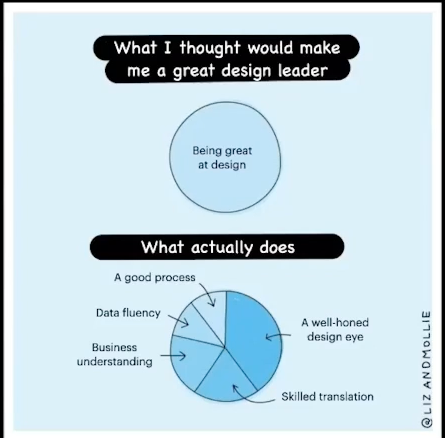
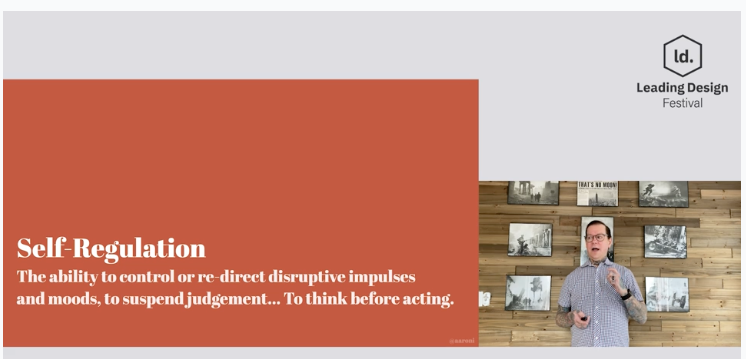
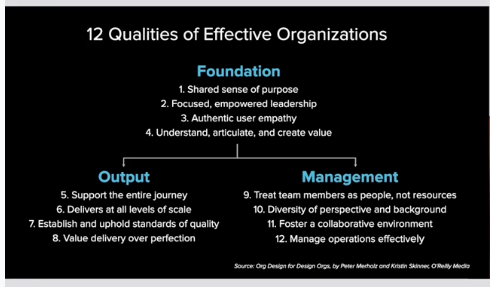
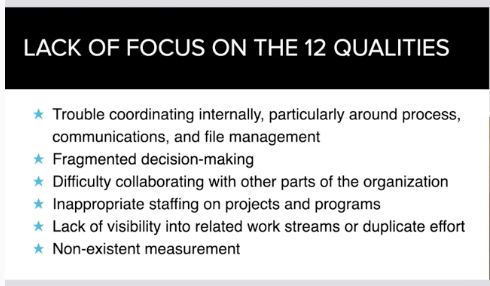
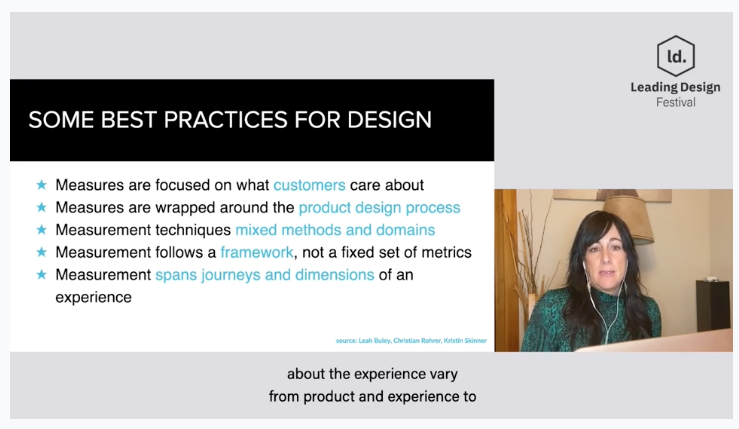
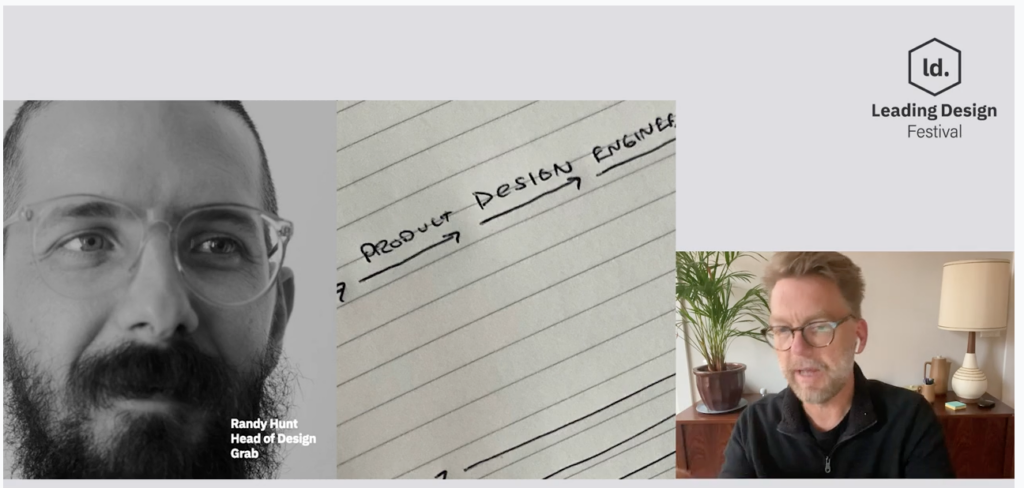
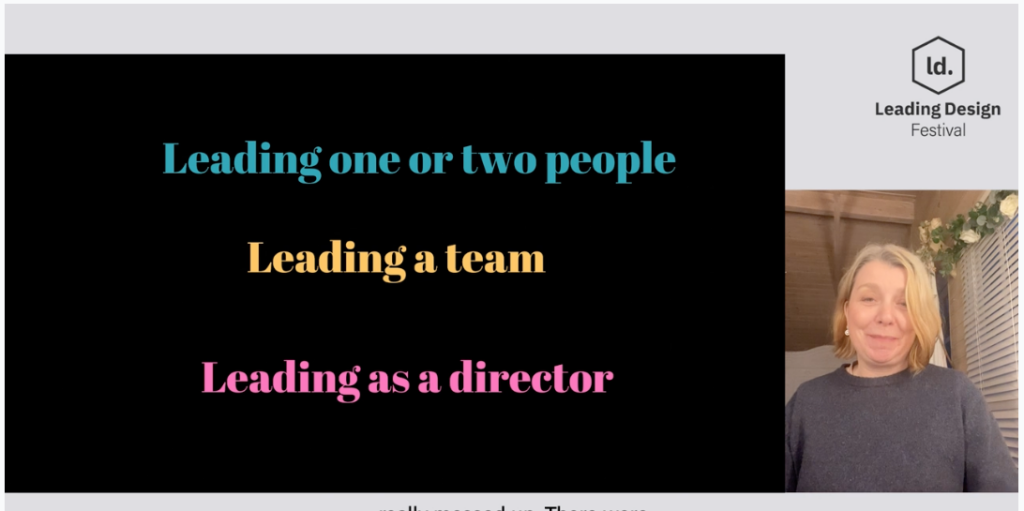
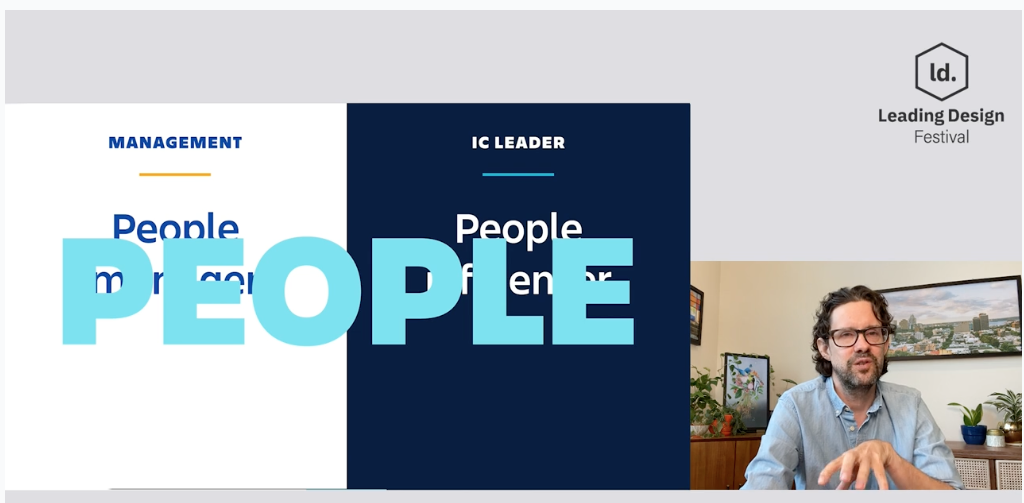
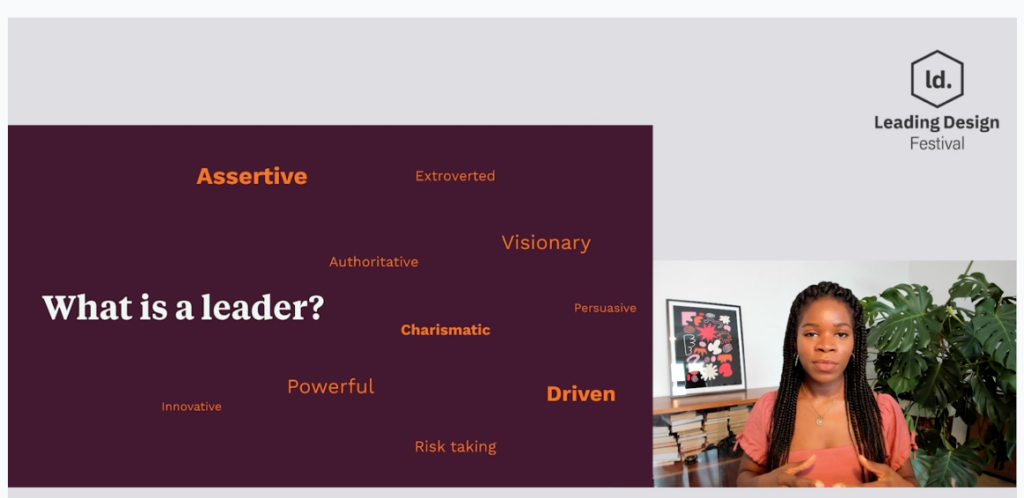
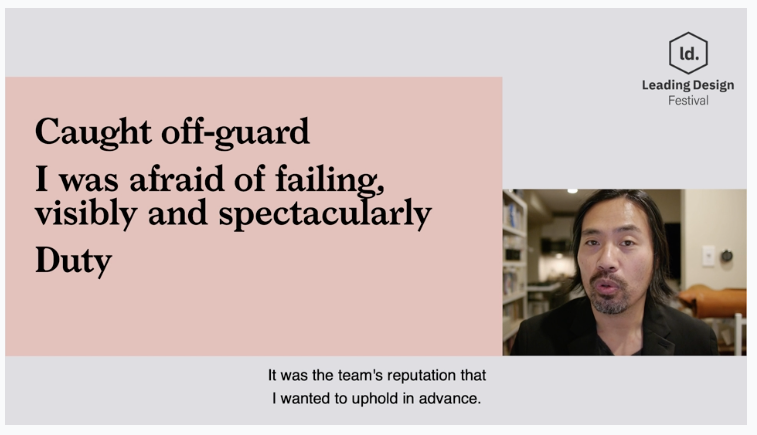
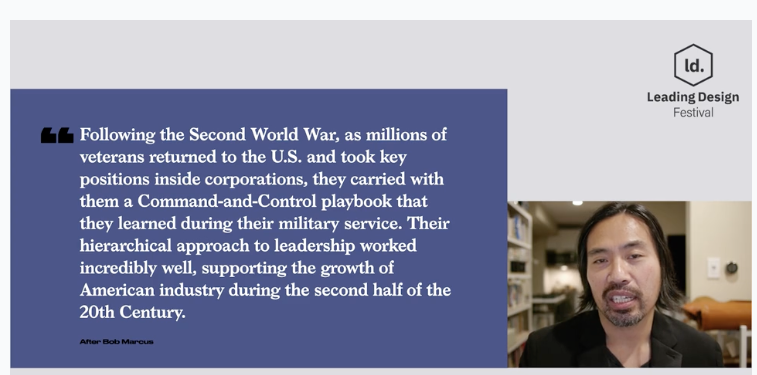
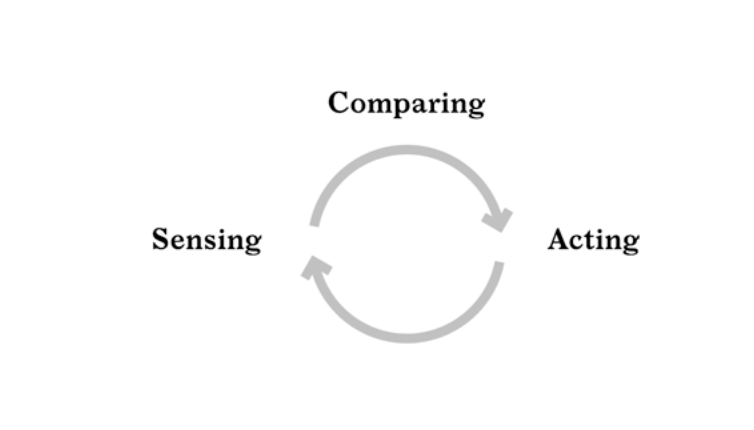
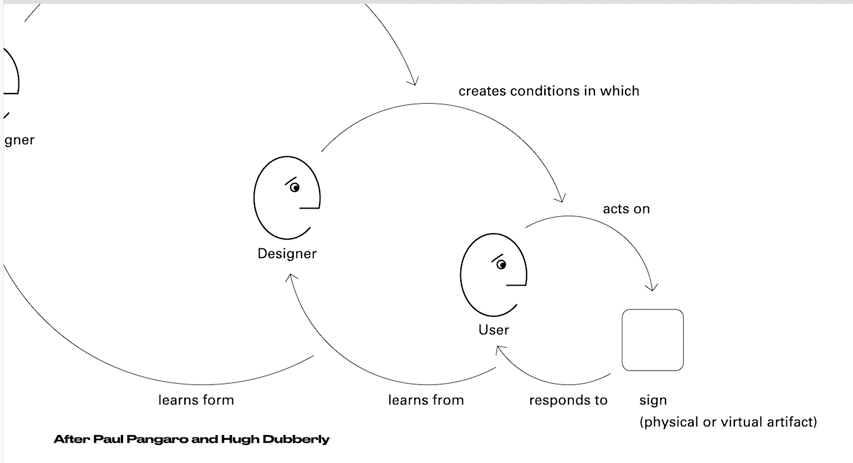
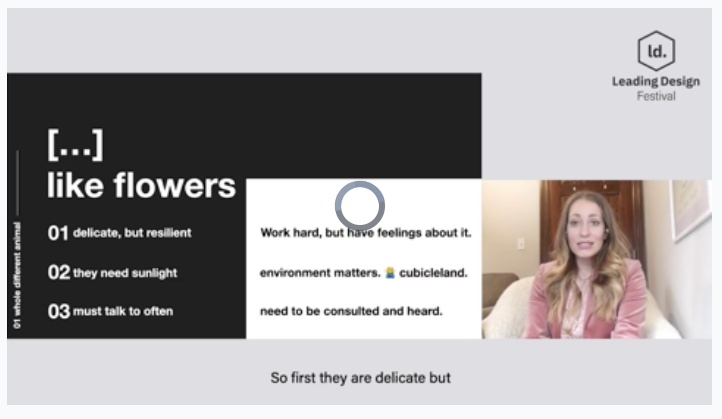
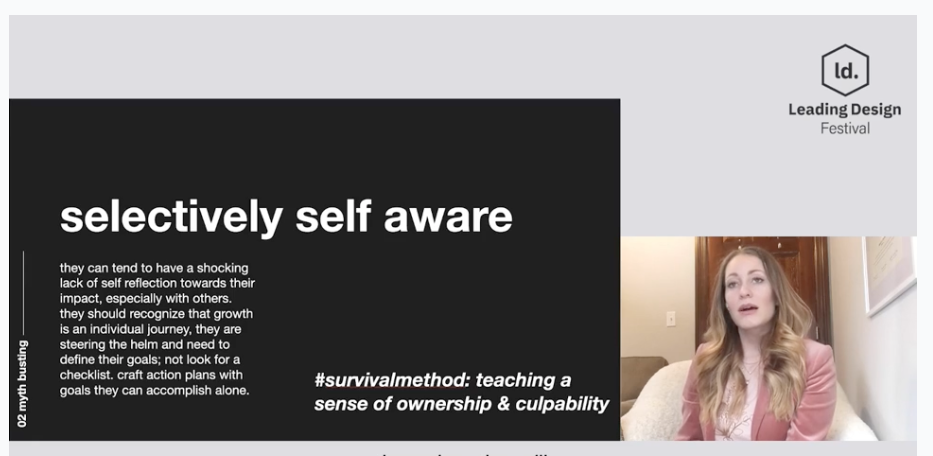
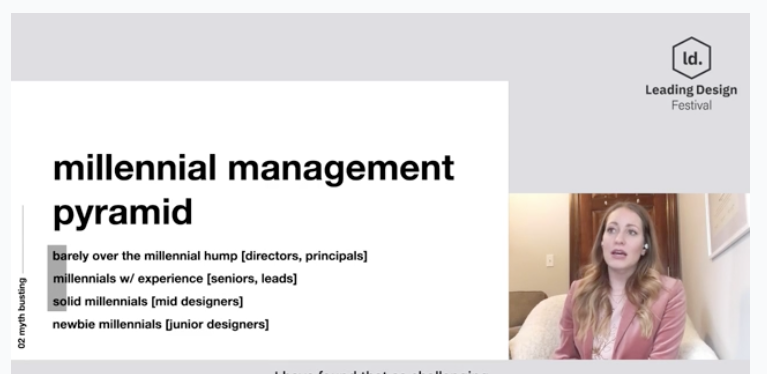
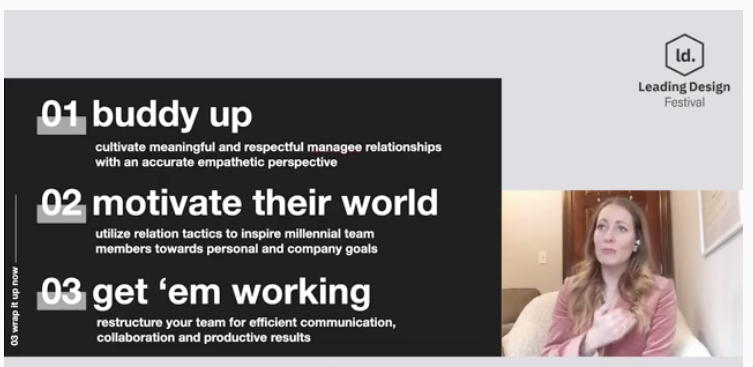
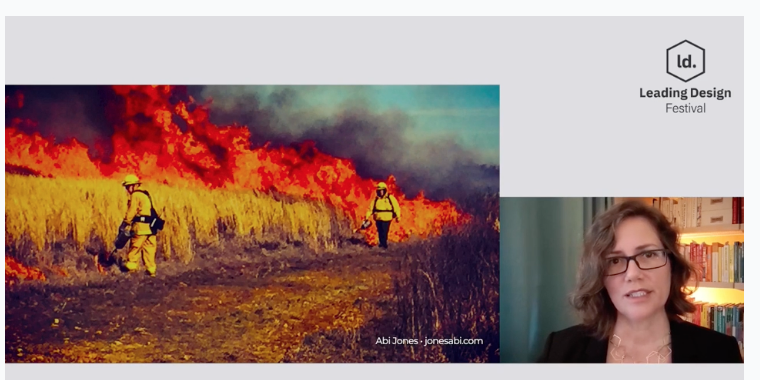
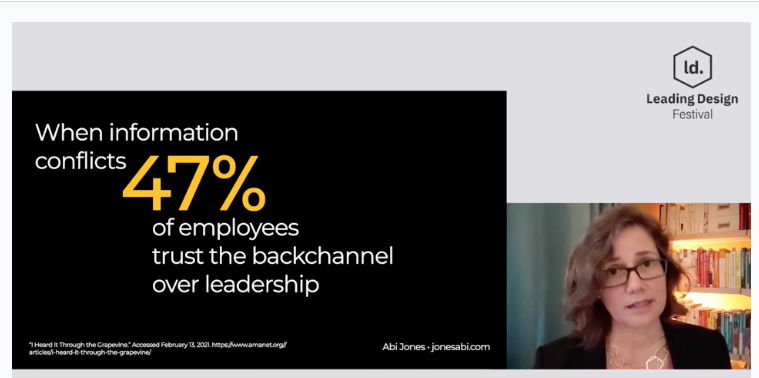
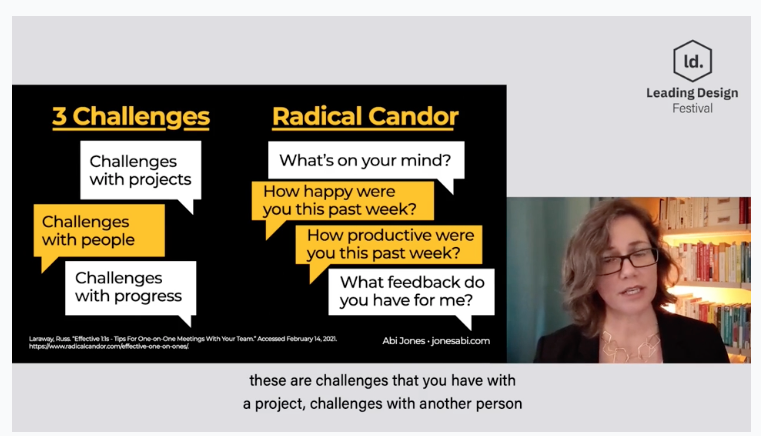
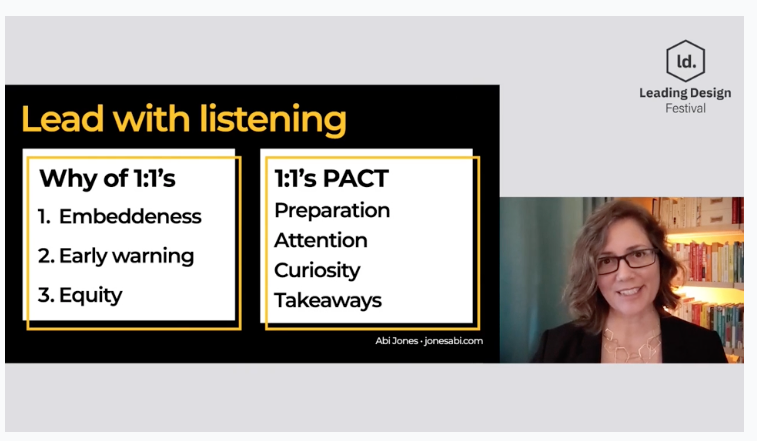
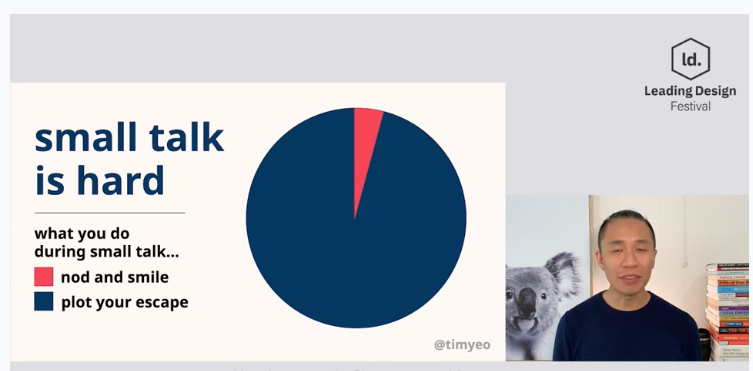
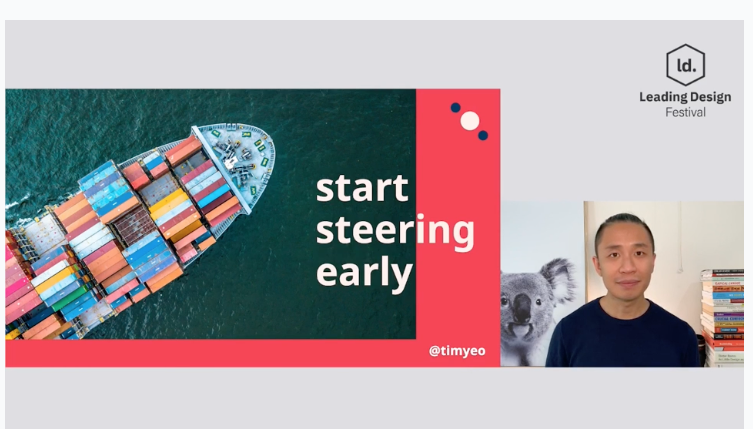
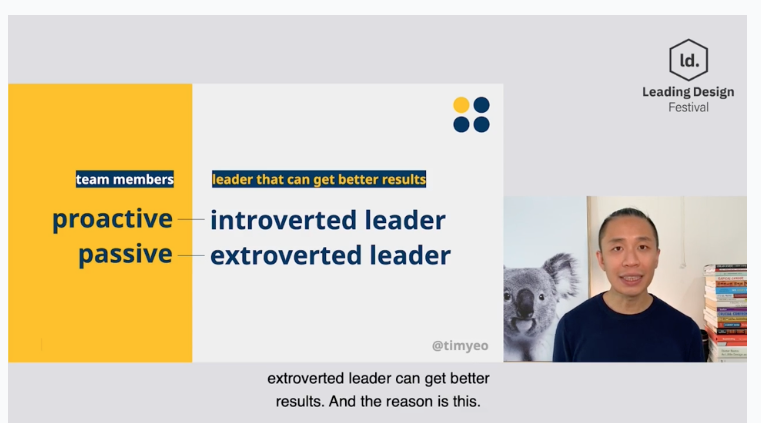

 How to get started with AR:


